Shrinking prairie pushes public grazing

Add Axios as your preferred source to
see more of our stories on Google.
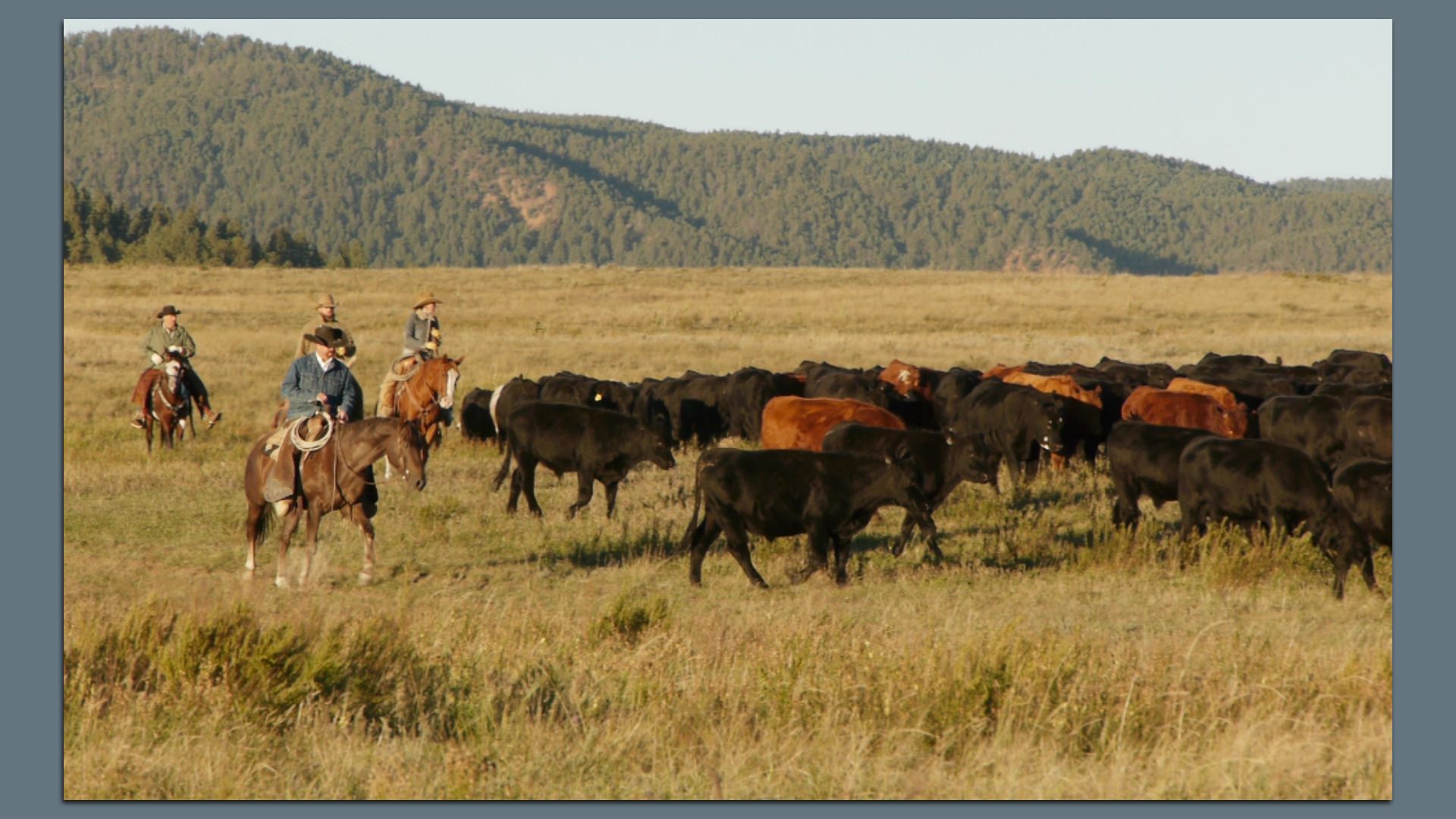
Cattle herding on Douglas County's open space. Photo: Courtesy of Douglas County
Colorado's cattle grazing season ramps up this month, but Douglas County's ranching tradition is shrinking.
The big picture: Growth is consuming the formerly wide-open spaces across the county, squeezing out the range that long powered the region's ranching economy.
State of play: As development swallows formerly open spaces, land across the county is increasingly split into small "hobby farms," making large-scale cattle operations harder to sustain.
- Developers sometimes keep cattle on land just long enough to qualify for agricultural tax status, with little focus on long-term soil health or native vegetation.
- That means fewer acres of viable land for cattle.
Why it matters: Private land available for grazing has fallen roughly 16% across Douglas County since 2016, assessors' records show.
- That's about 30,000 fewer acres.
For roughly 15 years, Douglas County's Open Space and Natural Resources department has worked to counter that decline through grazing leases and contracts with local ranchers.
About 7,000 acres of county open space are under grazing agreements at Greenland, Lincoln Mountain, Sandstone Ranch and Spruce Meadows.
- About 800 head of cattle rotate through those properties today.
- Four grazing agreements are in place, and two families actively run cattle on public land.
Behind the scenes: The county's transforming some open spaces into an opportunity for working ranchers while restoring prairies, reducing wildfire risk and preserving the county's Western roots.
How it works: Douglas County uses high-intensity, short-duration grazing rotations designed to mimic bison herds.
- The season generally runs from early May through mid-September.
Still, fewer ranchers are competing for the land.
- The county once saw around 15 bidders for its grazing land; it now draws only five to 10, says Scott McEldowney, the county's assistant director of open space and natural resources.
Stunning stat: It's a national trend. The U.S. cattle herd stood at 86.2 million head as of January 2026 — the lowest in 75 years.
Even so, McEldowney says the county's grazing model may become more common — with ranching's future increasingly tied to public land.
- Boulder has run a program for more than 50 years, leasing roughly 15,000 acres of open space to dozens of farmers and ranchers.
Case in point: Bob Welch, 47, who helps run Welch Brothers Cattle, has been rotating many of his animals on Douglas County open space for 13 years.
- "To run cattle here feels like I'm carrying on a legacy."
The intrigue: County officials also are using cattle and prescribed burns to reduce weeds and break up dense vegetation that fuels wildfires.
- Grazing also returns the land to a "historic climax plant community," the native mix of plants and grasses that existed more than 150 years ago.
What's next: Prairie Canyon Ranch Open Space, near Castlewood Canyon State Park, could open to grazing in 2028.
The bottom line: As grazing land disappears due to development, Douglas County is turning some open spaces into a home for cattle.