Lower Price Hill's revival enters its next phase

Add Axios as your preferred source to
see more of our stories on Google.
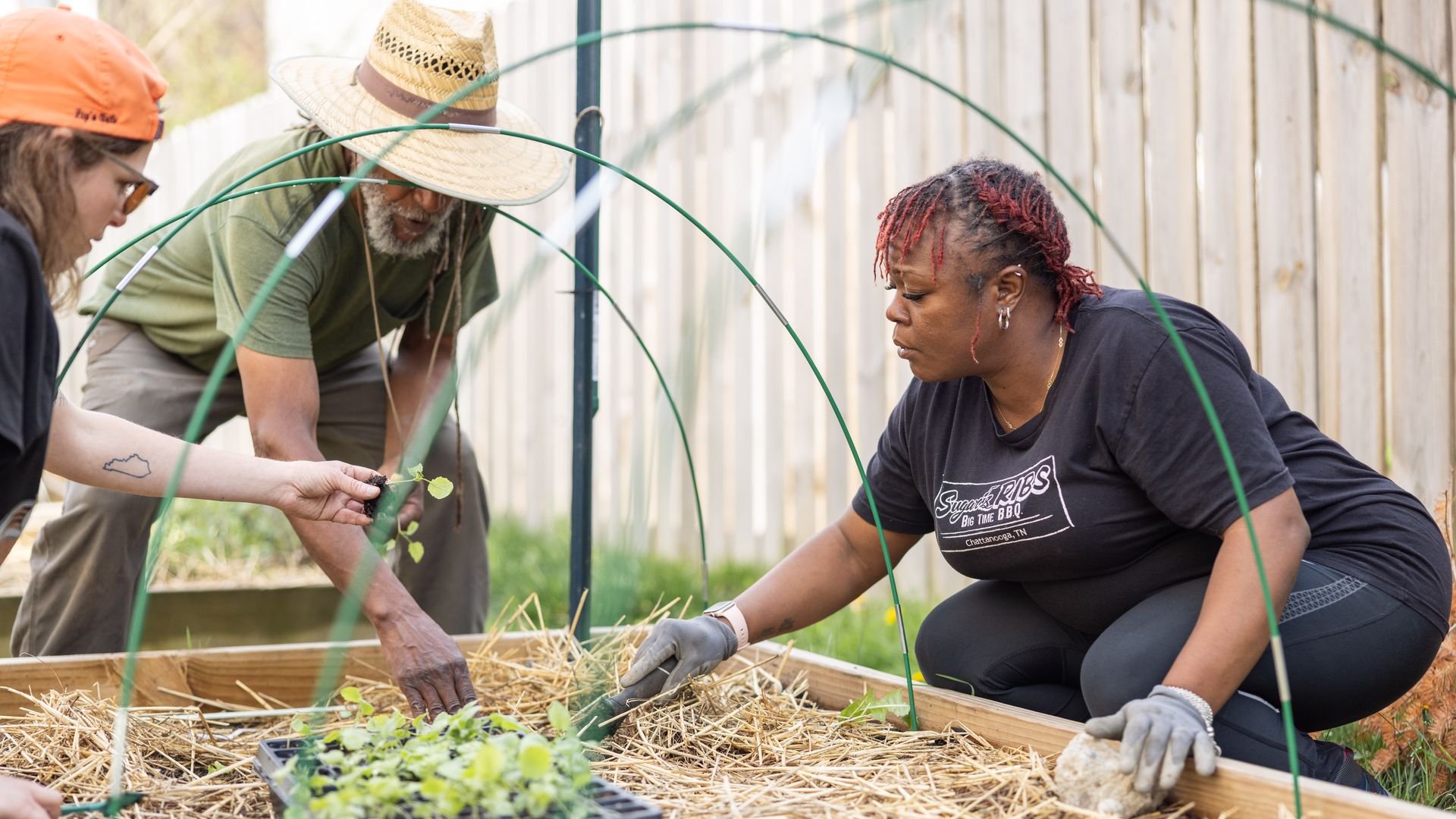
Community Matters hopes projects like this Lower Price Hill community garden will help grow both food and opportunity. Photos: Courtesy of Community Matters
Money is finally flowing into — and all around — the Lower Price Hill neighborhood for housing projects and new businesses.
Why it matters: After surviving decades of disinvestment, local leaders are focused on building lasting economic opportunity.
State of play: Roughly $76 million has been invested in major Lower Price Hill projects since 2012, according to Community Matters — a significant shift for the small neighborhood along the Mill Creek.
- Lower Price Hill had just 1,070 residents in the 2020 census, down 12% from 2010.
- Its estimated median household income was just under $16,000 in 2016-2020 census data.
By the numbers: That $76 million includes $25 million invested in Nehemiah Manufacturing, $21 million for Oyler School's renovation, $15 million for the LPH Thrives housing project and $12 million for Community Matters' redevelopment of the historic St. Michael campus.
- Another $3 million went into State Avenue Lofts.
- LPH Thrives restored 10 vacant buildings and built another, creating 47 apartments.
- Habitat for Humanity has completed 10 homes — five restored and five newly built.
- The Washing Well brought a laundromat back to the neighborhood, while The Sanctuary created community and event space.
- Community Matters also turned three vacant lots into community gardens.
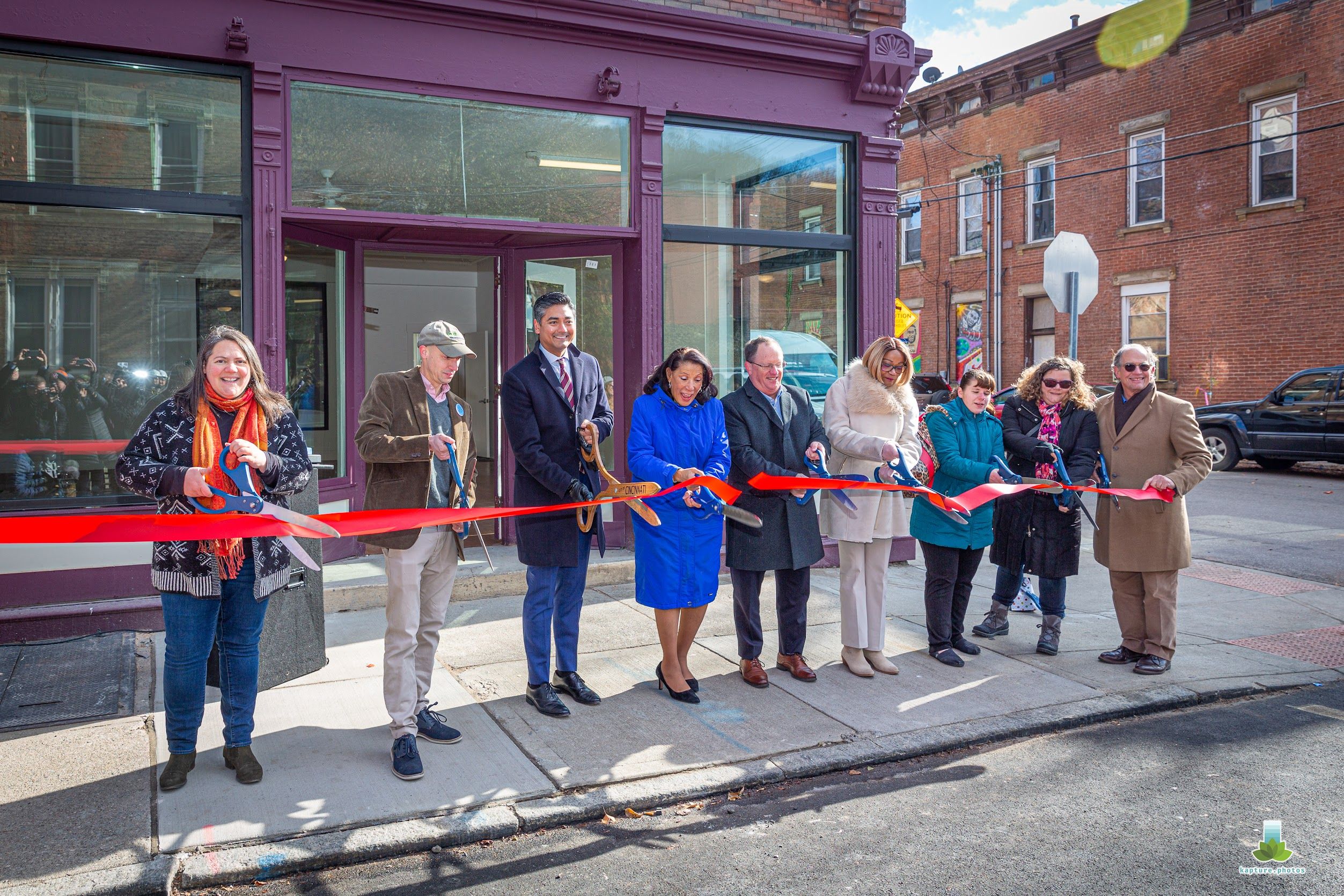
Zoom in: The change is increasingly visible at street level, Community Matters executive director Mary Delaney tells Axios, pointing to new businesses including Ful Café and The Frank.
- Seven storefronts have been brought back into use since 2012, according to Community Matters.
- More public investment is coming through the planned CROWN bike trail and federally funded traffic-calming and street improvements.
Yes, but: Growth can also bring higher costs.
- Delaney says the next phase must focus on expanding homeownership, supporting resident-owned businesses and creating businesses that meet everyday needs.
- "We want to make sure neighbors aren't priced out of the progress they helped create," she says, "and that they actually share in the assets and build wealth long-term."
The bottom line: Delaney started working in Lower Price Hill in 2010, expecting to stay for one year.
- Sixteen years later, she can't imagine leaving.
- "Our neighbors are passionate and caring, and they show up for each other," Delaney says. "There's nowhere else quite like it."