The Brent Spence saga spans a new legal speed bump


Add Axios as your preferred source to
see more of our stories on Google.
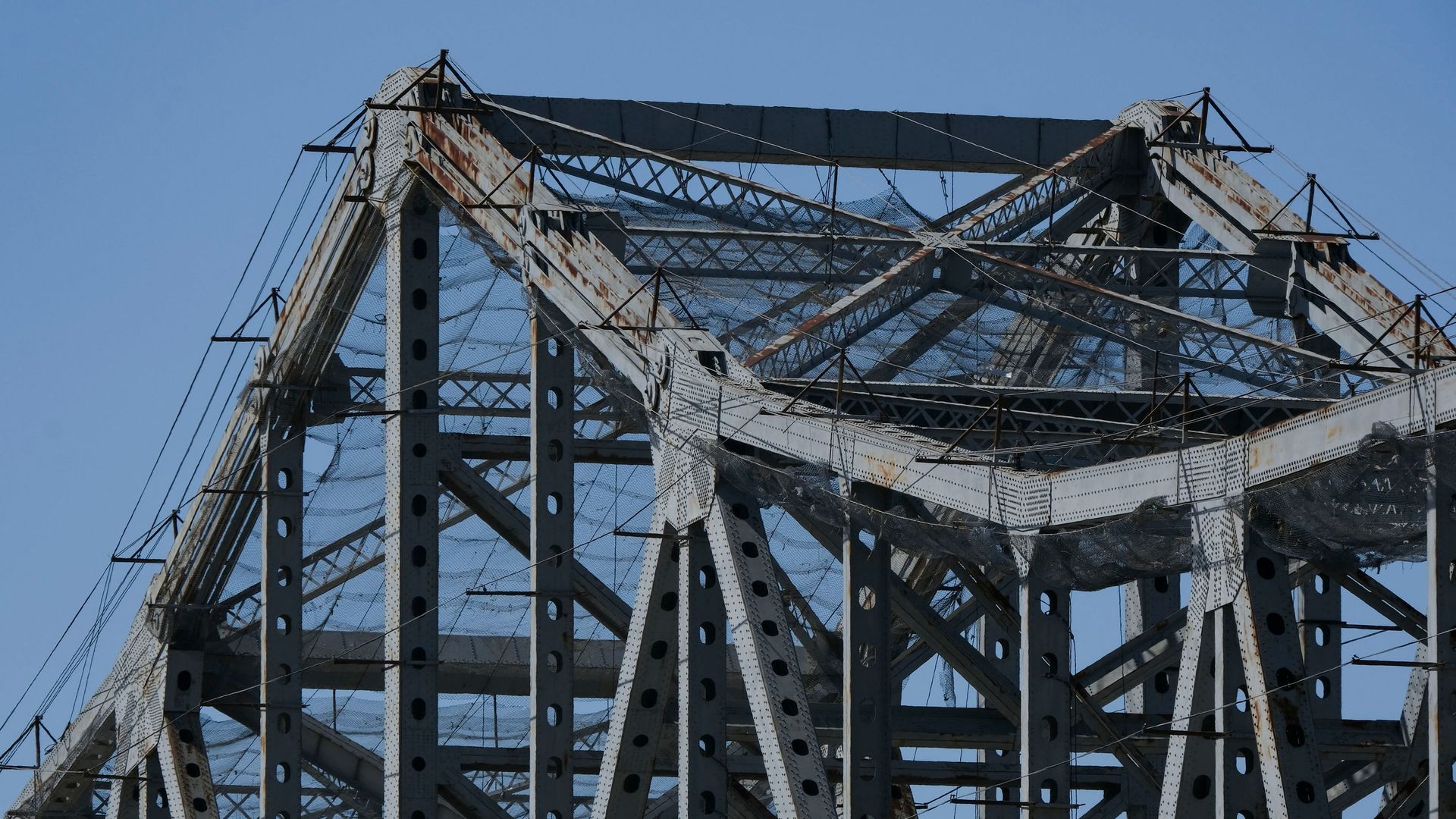
The Brent Spence Bridge, considered functionally obsolete but structurally sound, carries more than twice the roughly 80,000 vehicles per day it was designed to handle. Photo: Courtesy of Jeff Dean/AFP via Getty Images
After decades of debate and years of planning, the $4.05 billion Brent Spence Bridge Corridor is finally being built — but the fight over it rolls on.
Why it matters: Critics argue transportation officials didn't adequately study how the massive highway project could affect neighborhoods along Interstate 75 for generations.
Flashback: Three presidents have taken a crack at the region's seemingly unsolvable infrastructure problem.
- Barack Obama pushed for rebuilding the bridge.
- Donald Trump promised to fix it.
- Joe Biden vowed to "fix that damn bridge" — then signed the infrastructure law that helped provide $1.63 billion in federal grants.
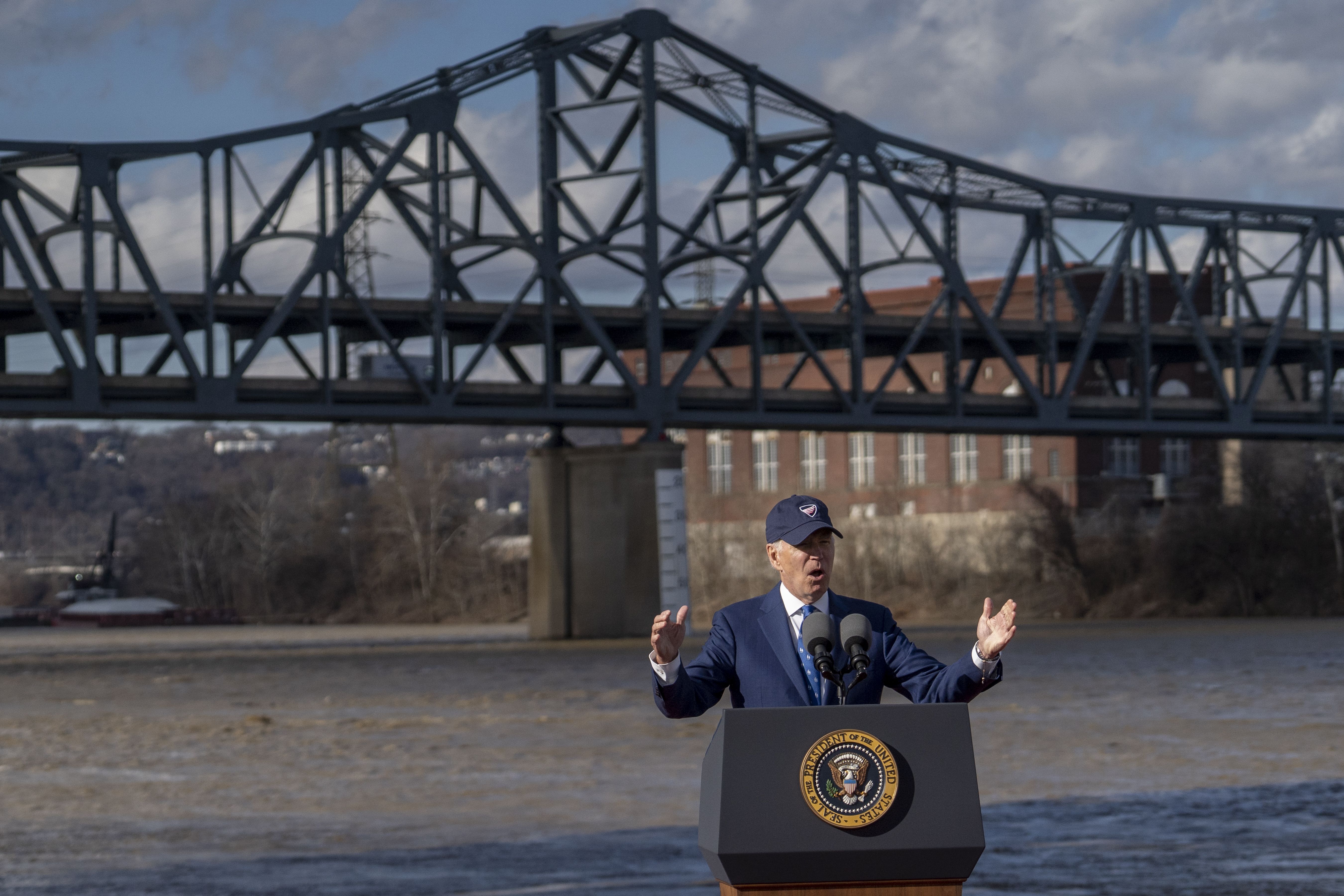
The other side: Critics say the massive highway project could reshape neighborhoods along I-75 for generations — and argue transportation officials should have completed a more extensive environmental impact statement before moving forward.
State of play: The Coalition for Transit and Sustainable Development and other plaintiffs are challenging the project in federal court, arguing its size and potential effects required a full environmental impact statement.
- The Federal Highway Administration approved an environmental assessment and issued a "finding of no significant impact" for the project in 2012.
- It reached the same conclusion in 2024.
- Project officials say updated environmental reviews accounted for changed conditions, regulations and designs aimed at reducing the project's footprint and neighborhood impacts.
What they're saying: West End resident Torry Young argues a full environmental impact statement is needed to better understand how the project could affect nearby communities, particularly residents with disabilities.
- Proceeding without one risks "worsening exposure to harmful environmental conditions for our disabled neighbors" while expanding infrastructure that could make it harder for them to access health care and other services, Young told Cincinnati City Council.
The other side: Project officials say that the environmental reviews complied with federal requirements and that design changes have reduced the project's footprint and neighborhood impacts.
- The Ohio Department of Transportation, the Kentucky Transportation Cabinet and Cincinnati declined to comment on the pending lawsuit.
- Covington declined to address the litigation but said it has successfully pushed for changes to reduce the project's impacts.
- ODOT pointed us to its supplemental environmental assessment.
Meanwhile: Construction is ramping up across the 8-mile corridor.
- About 200 feet of Longworth Hall was recently demolished for the companion bridge approach, with its bricks being salvaged for reconstruction.
What we're watching: Whether the court finds a full environmental impact statement was required — and what that could mean for a multibillion-dollar project already under construction.