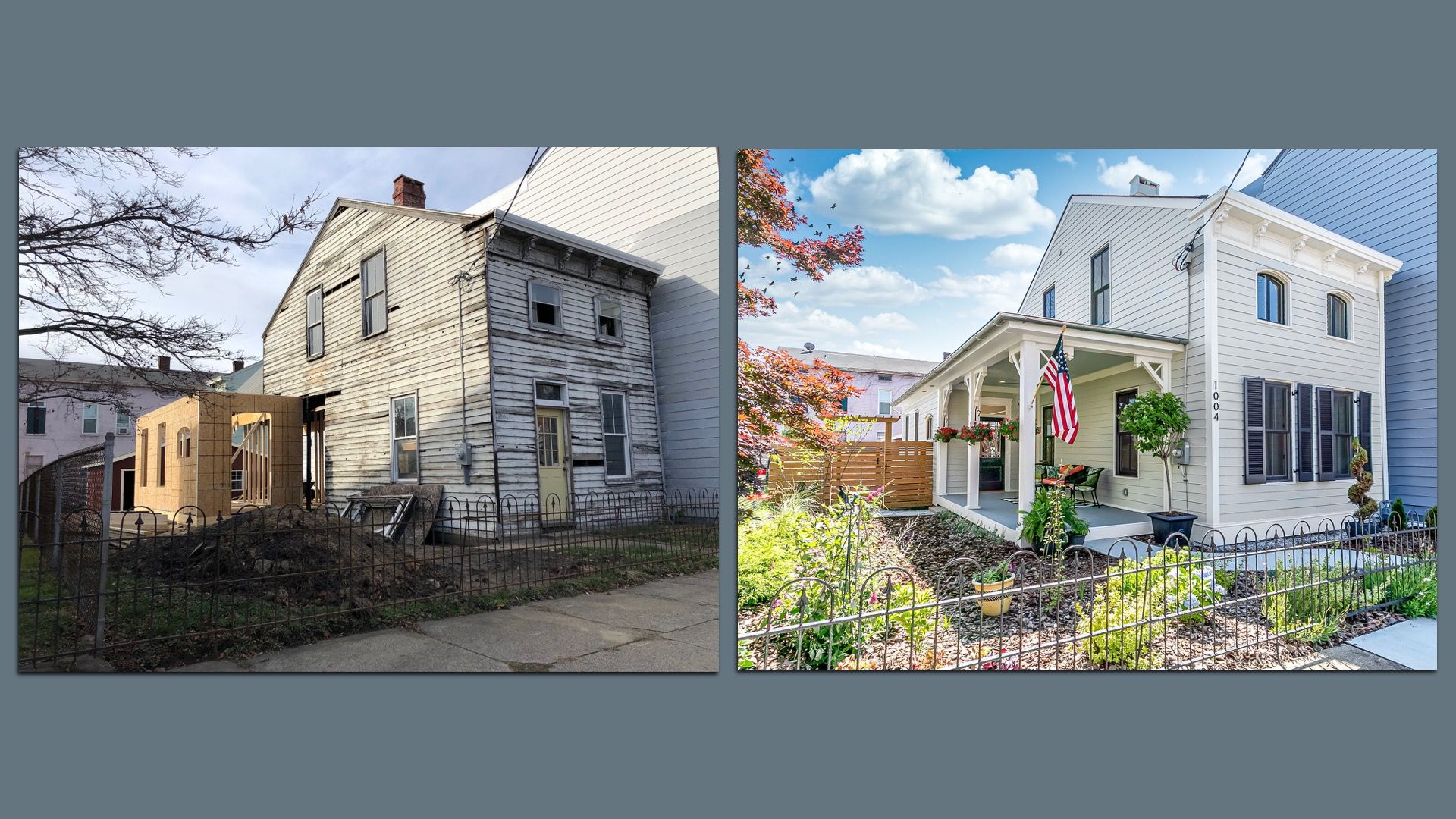
4 expert tips for renovating a historic home

Add Axios as your preferred source to
see more of our stories on Google.
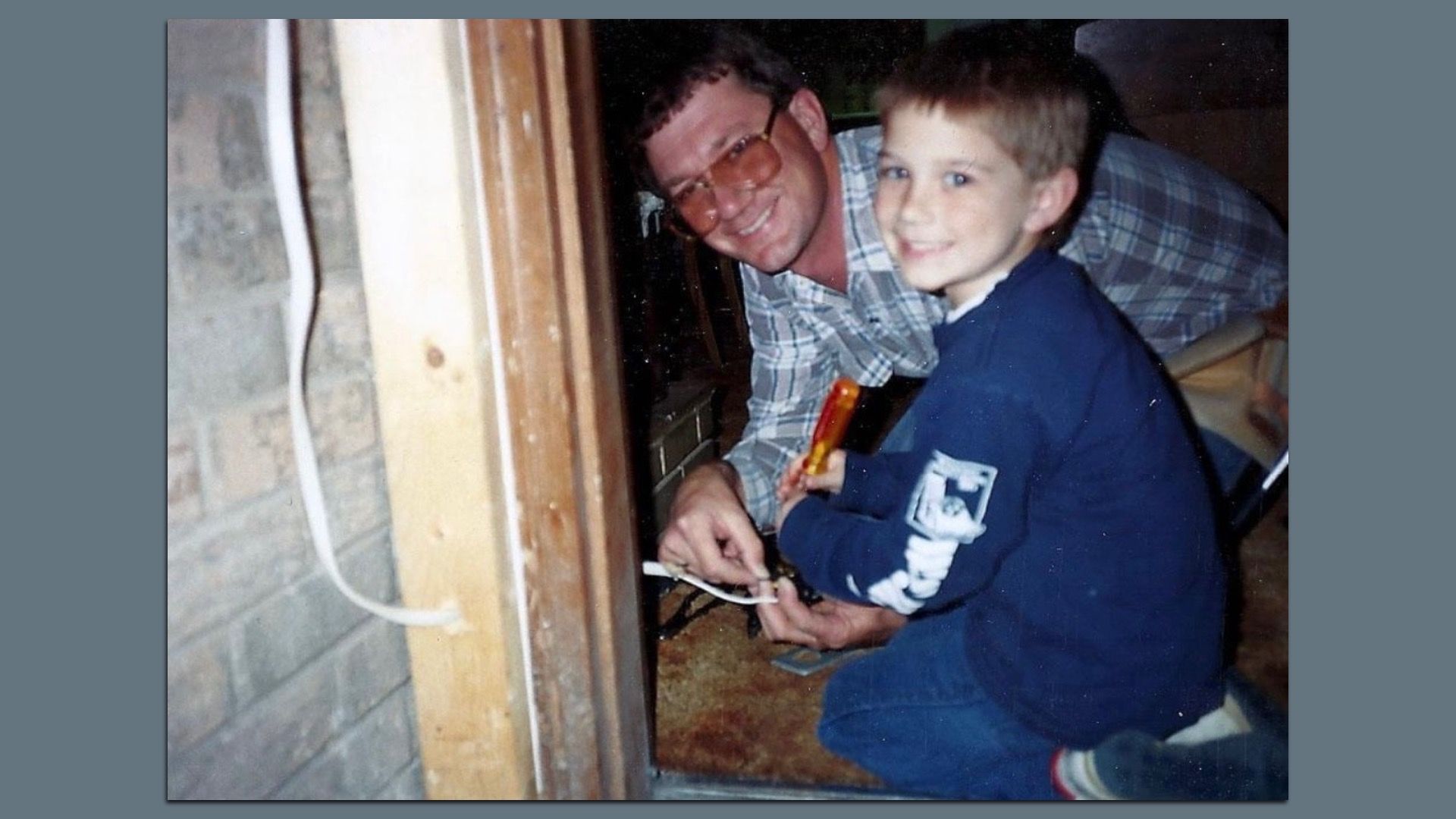
Mark Ramler (right) says he first caught the restoration bug when his dad showed him how to repair an old dresser. Photos: Courtesy of Mark Ramler
Mark Ramler has spent much of his life looking at things other people might discard and imagining what they could become.
Why it matters: Historic homes in Cincinnati and Northern Kentucky are tangible links to the region's past, and Ramler believes preserving their original character keeps that history alive.
State of play: He's restored over 20 houses, including his own, and is now working on his new office — a turn-of-the-century home and former school in Newport's East Row Historic District.
The intrigue: Old houses sometimes reveal pieces of history along the way.
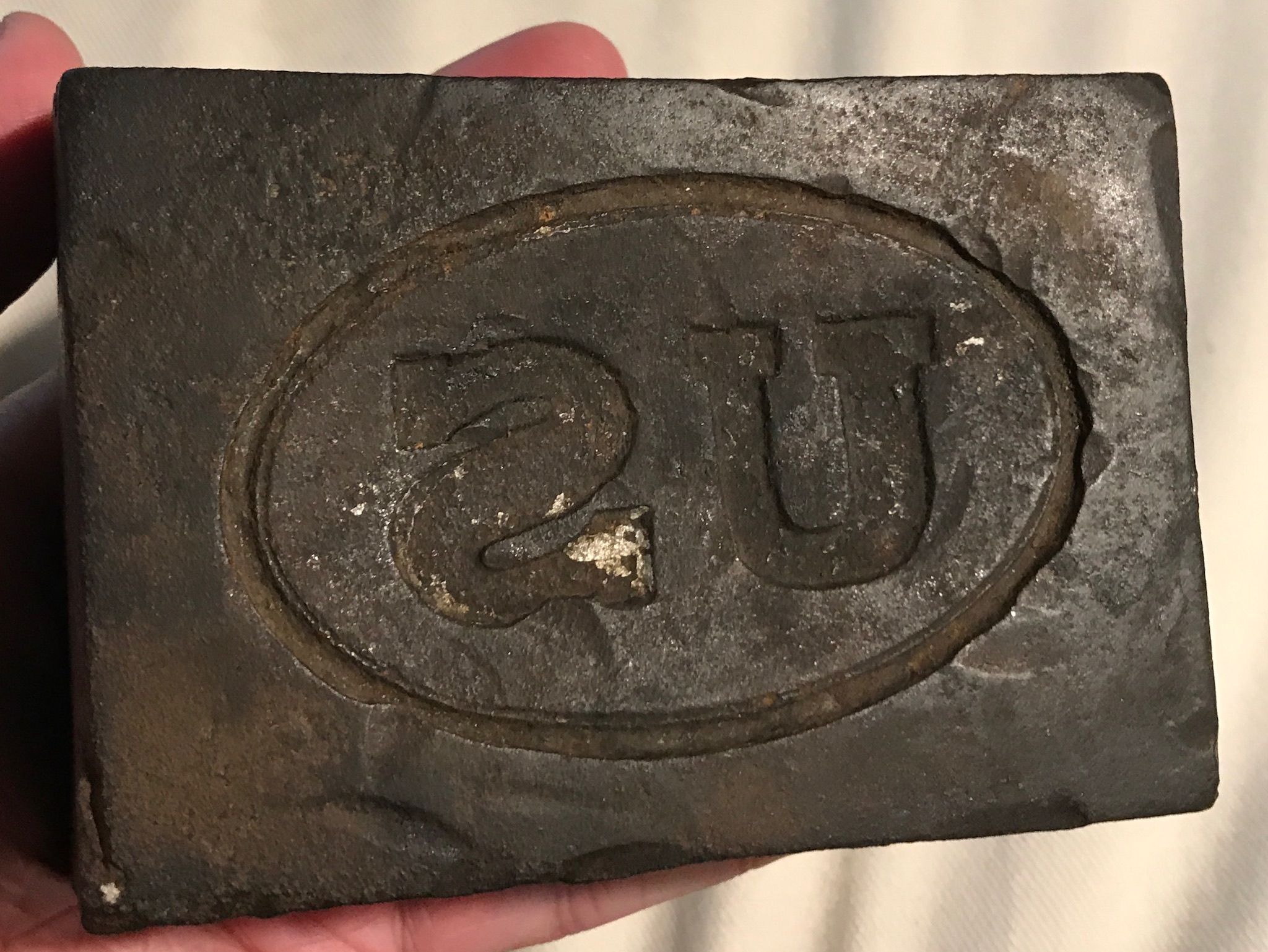
- While renovating a vacant 1860s Newport home about a decade ago, Ramler found a roughly 10-pound object wedged into brick in the attic, stamped with a backward "US."
- It turned out to be a mold used to make belt buckles for Union soldiers during the Civil War.
What he's saying: Ramler believes owning an old home makes you its temporary caretaker.
- "This building is gonna be here for hundreds of years past me," he tells Axios. "We're stewards."
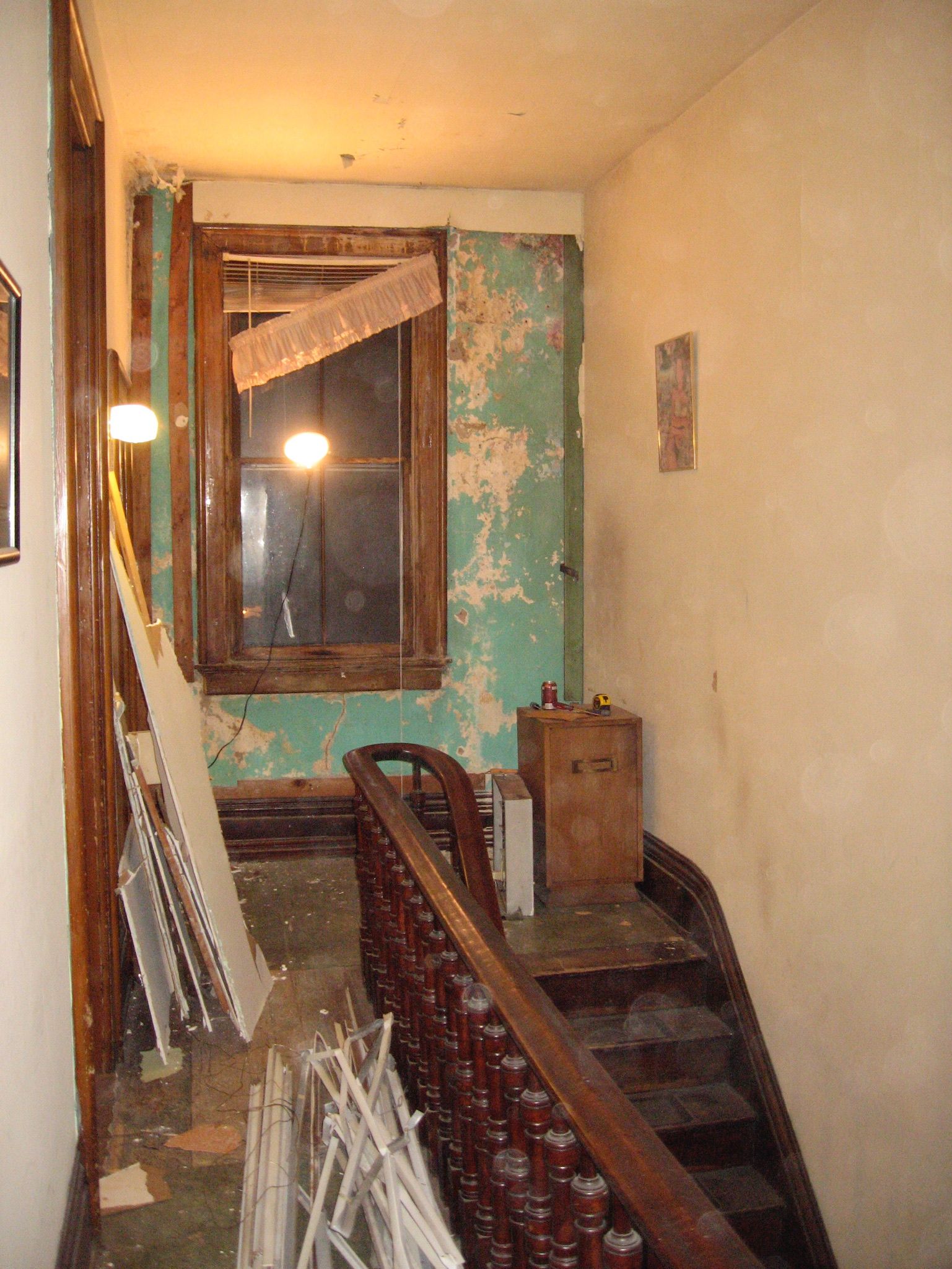
Flashback: Ramler bought his Newport home in 2008 when it was a rundown three-unit building.
- He spent years bringing it back to life, at one point living with little more than a stove and refrigerator in a gutted kitchen.
- He's still tinkering with it today. Asked how long the restoration took, Ramler jokes: "I'll let you know when I'm done."
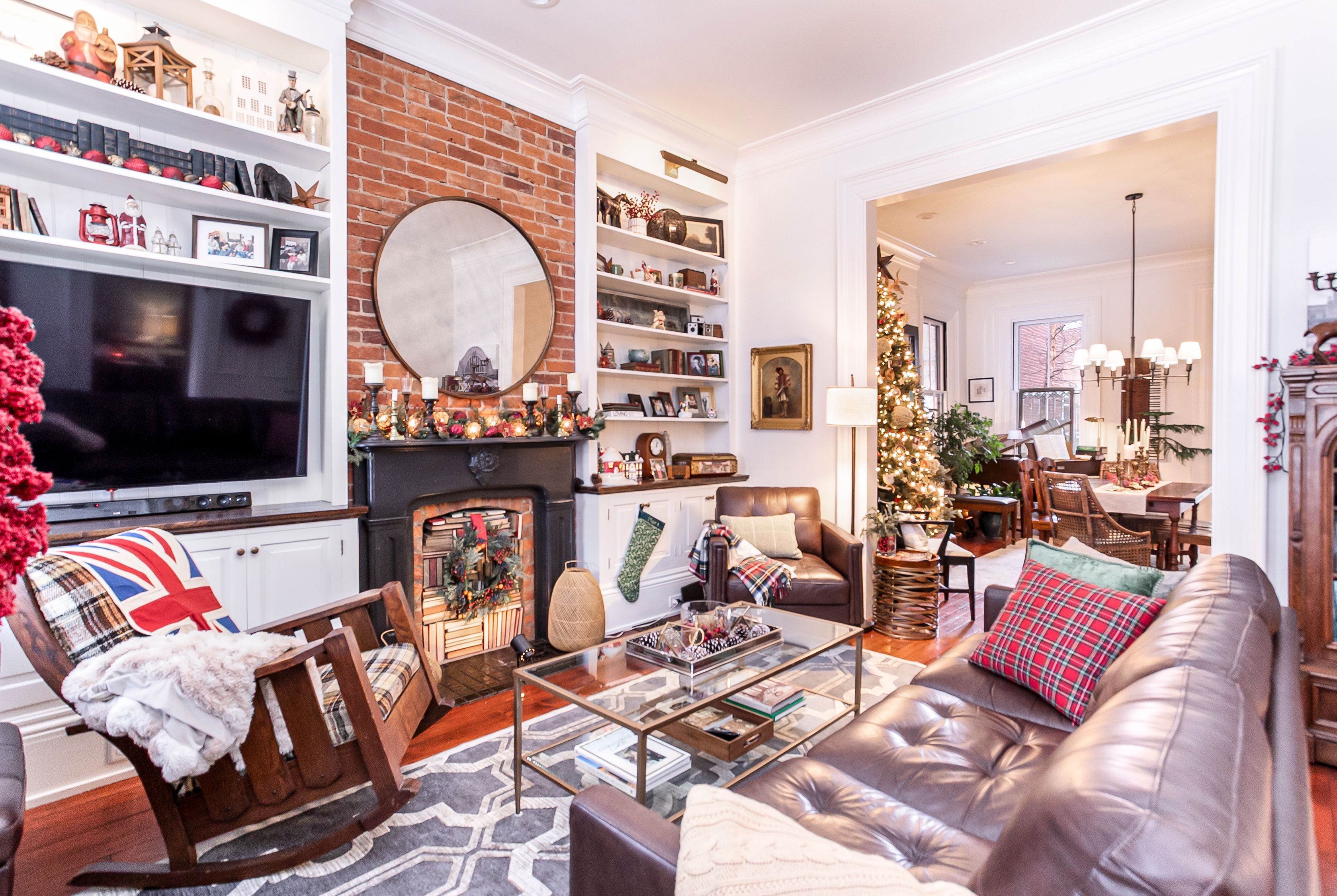
Zoom in: Ramler's first advice for anyone bringing an old home back to life: Don't start swinging a sledgehammer.
- Instead, do "selective demolition" — carefully pull up carpet or remove newer materials to understand what's underneath before making big decisions.
More pro tips:
🏡 Shop your own house. Ramler salvages original floorboards from rooms that will be tiled and uses them to patch damaged floors elsewhere.
👀 Look next door. Similar homes nearby can reveal what missing trim, cornices or other details originally looked like.
🪑 Don't add old stuff just because it's old. A salvaged piece should fit the home's period and architecture.
💡 Expect surprises. Old sewer lines, wiring, termites and structural problems can quickly change a renovation plan. When in doubt, call an architect or engineer.