Family of Megan Trussell questions case review law

Add Axios as your preferred source to
see more of our stories on Google.
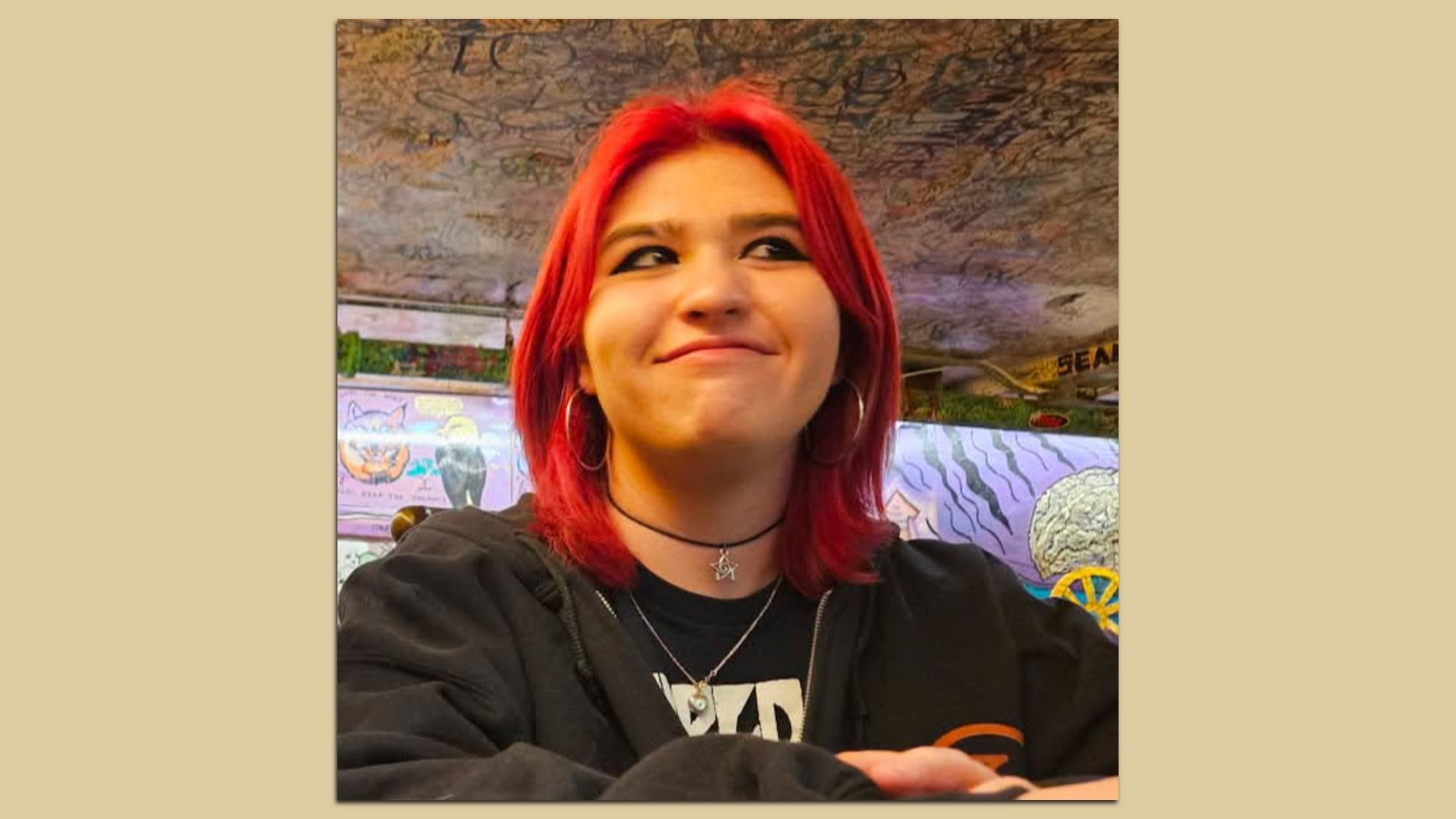
Megan Trussell, 18, was found dead on Feb. 15 in Boulder Canyon. Photo: Courtesy of the Trussell family
The family of Megan Trussell, a University of Colorado Boulder student whose death last year was ruled a suicide, says a little-known Colorado law allowed them to seek a review of her case — but that many other families may not even realize the option exists.
Why it matters: A year after her death, the family says gaps remain in how the state notifies families about reviews meant to protect Indigenous communities historically affected by violence.
State of play: The Colorado Bureau of Investigation is reviewing Trussell's death, as required by a state law covering cases involving missing or murdered Indigenous people.
- State Senate Bill 22-125 created the Office of the Liaison for Missing and Murdered Indigenous Relatives (OMMIR) in 2022 and requires reviews of cold cases involving Indigenous victims, as well as deaths ruled suicides or overdoses under suspicious circumstances.
- OMMIR officials confirmed to Axios Boulder that Trussell's case is the first to be reviewed under the law since it was created.
Catch up quick: Trussell, 18, was found dead near the 40-mile marker on Boulder Canyon Drive on Feb. 15, 2025.
- The Boulder County Coroner's Office said she died from "toxic effects of amphetamine, and exposure to a cold environment," and the death was ruled a suicide.
Yes, but: Trussell's parents have questioned the findings, requesting additional evidence testing and hiring a private investigator.
The family told Axios Boulder they were never informed by local or state agencies that a review was an option after her death was ruled a suicide.
- A family friend notified them almost a year later, suggesting they should request such a review.
- "Like many families, I assumed oversight would automatically occur in complex cases," Trussell's mother Vanessa Diaz told Axios Boulder.
Friction point: State officials say the law does not specify any agency is required to notify families of the option to request such a review.
- "OMMIR's responsibilities are established in state legislation, and the team carries out these duties with professionalism and care, mindful of the sensitivity of ongoing investigations, and the needs of impacted families," said Paula Vargas, a spokesperson for the Colorado Division of Criminal Justice.
- The University of Colorado Boulder Police Department, the initial investigating agency, did alert the state to issue a Missing Indigenous Person Alert for Trussell on Feb. 14, 2025.
- CUPD "routinely collaborates with the appropriate state entities" for such reviews, Nicole Cousins, a spokesperson for CU Boulder, told Axios Boulder.
What they're saying: The law does establish an OMMIR contact to work with families once they are involved in the review process.
- "Engagement with families remains an integral foundation of this process," Vargas said.
The bottom line: Diaz told Axios Boulder that to truly protect Indigenous victims, a better system must be established to let families know what resources are available to them.
- "Laws intended to protect Indigenous families cannot function if they are not clearly promoted, consistently followed, and transparently implemented," Diaz said.
- "Greater awareness, training, and accountability are necessary to ensure these statutes serve the purpose for which they were enacted."
If you or someone you know may be considering suicide, call or text the National Suicide Prevention Lifeline at 988. Ayuda disponible en español.