Grow a monster pumpkin with these tips

Add Axios as your preferred source to
see more of our stories on Google.
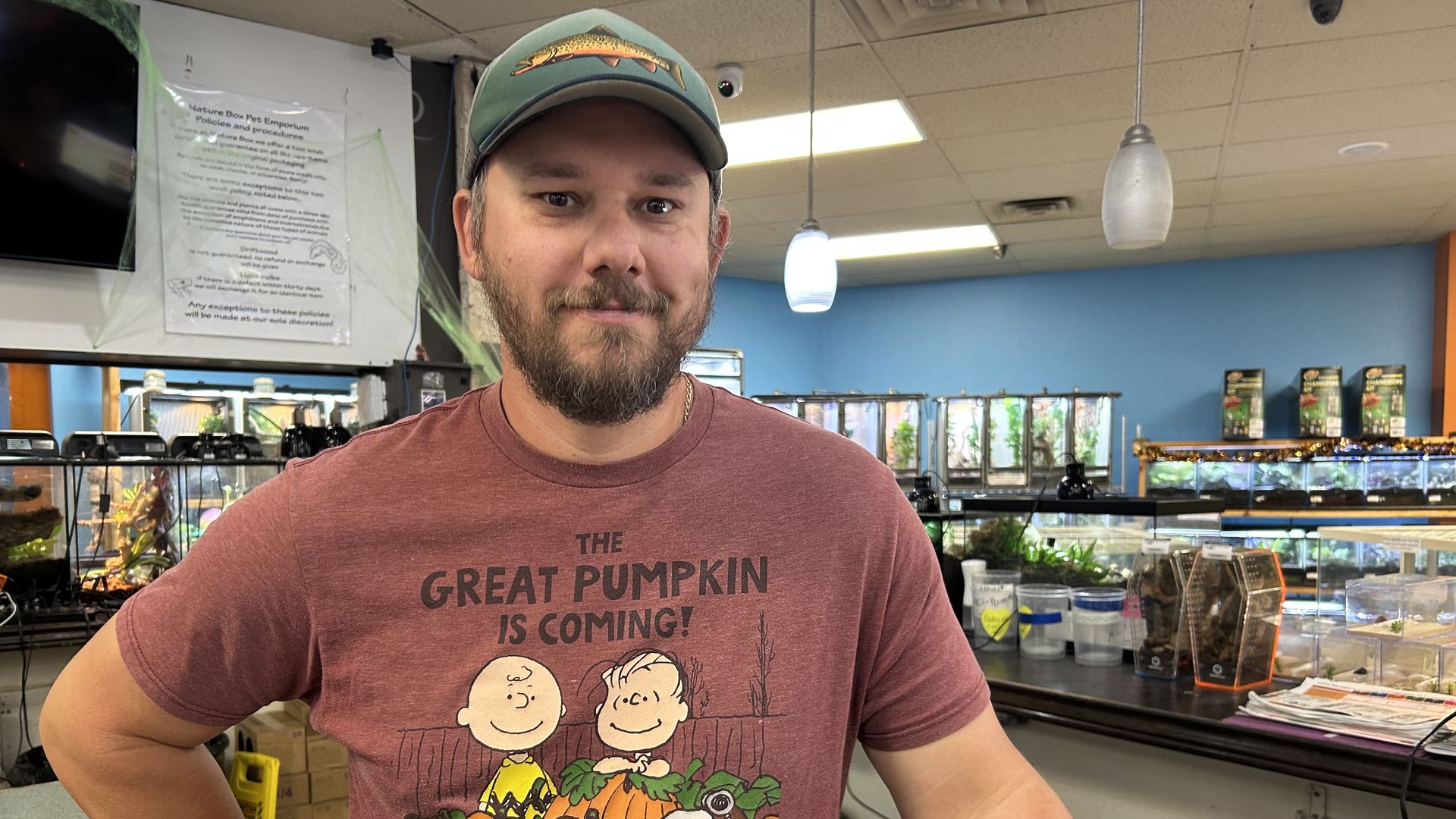
The Gourdfather, Chad New. Photo: Robert Sanchez/Axios
Next Halloween's hulking pumpkins start with a patch of dirt this fall.
The big picture: That is, if you want a gourd that'll make your neighbors jealous and your exes on Facebook rethink their decisions.
Just ask Chad New, who knows a thing or two about colossal cucurbits. The Aurora's Nature Box Pet Emporium owner grows pumpkings in his spare time.
- The 41-year-old father of three has grown four of Colorado's 10 heaviest pumpkins, including a 1,976.5-pound behemoth that briefly set a state record in 2024.
What they're saying: "If you look at a giant pumpkin and you don't smile, there's something wrong with you," New tells me.
Flashback: A former Las Vegas electrician, New fell for gargantuan gourds on display at the Bellagio.
Today, he grows them in a 3,000-square-foot greenhouse on his 3-acre Parker property.
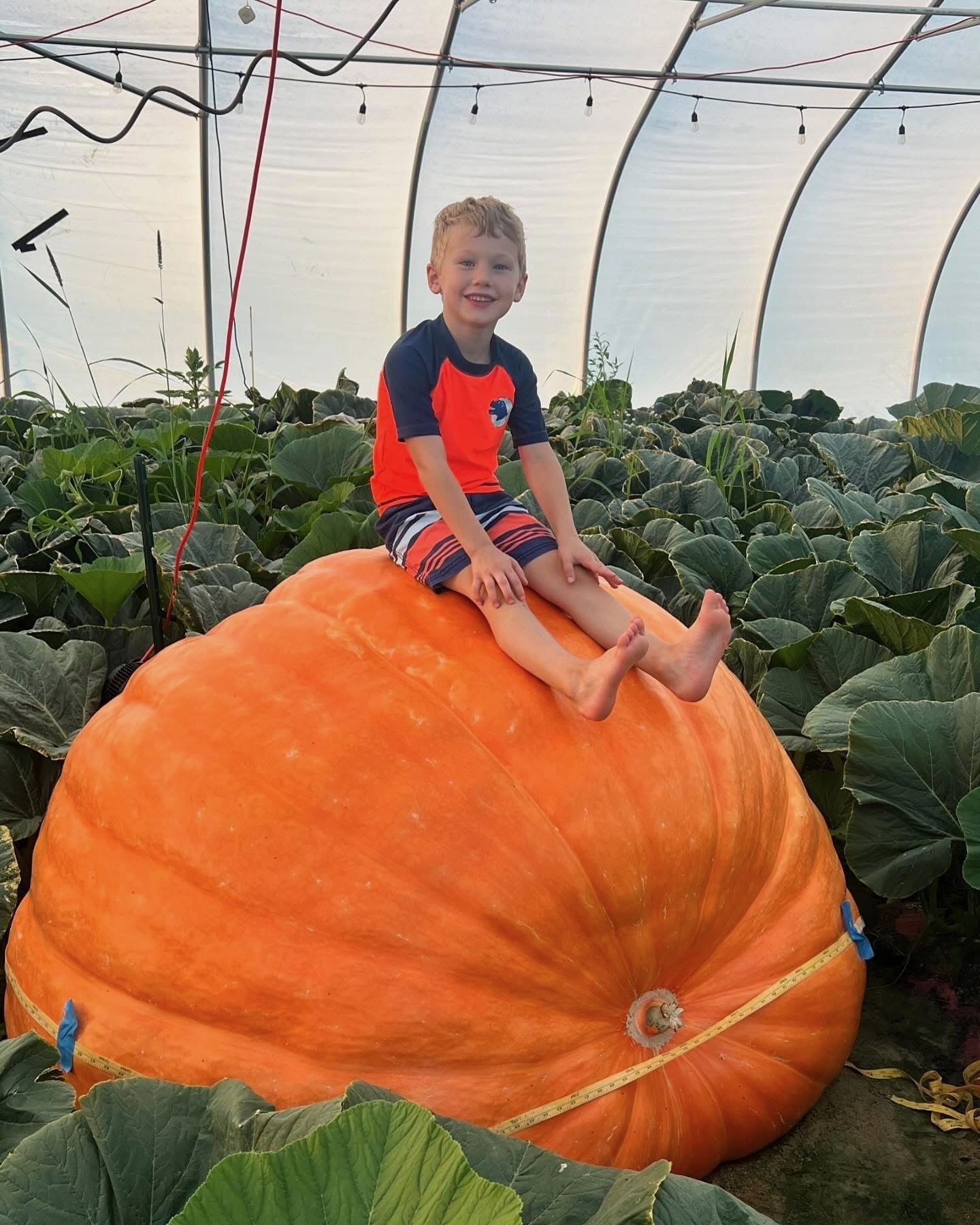
Dig in: Anyone with a decent work ethic can grow a 1,000-pound plumper, New says.
Your 2027 giant-pumpkin season starts like, right now.
- This fall: Plant a cover crop. New recommends winter rye, which allows the soil to rest through winter.
- Come springtime: Till, fertilize and get your soil tested. Healthy soil is 60% of the battle.
Get some Atlantic Giant seeds. Growers sometimes give them away through groups like the Rocky Mountain Giant Vegetable Growers, where New serves on the board.
Start the seeds indoors about a month before the last frost. Grow lights help.
- Put plants in the ground in May.
- Pollinate flowers in June and prune vines to eliminate wasted energy.
Be smart: New's videos have tips.
Then watch your pumpkin go from gourd to great.
- July and August are big grow months, when some pack on 40 pounds — or more — a day.
- Reposition your leviathan regularly to keep the vine from kinking.
Treat your pumpkin like a trust-fund college kid — pampered and oblivious.
- Shield it from intense temperatures and big swings. Consider a small hoop house.
- Tuck it in with a blanket at night.
- Fertilize regularly.
- Bury sections of vine to encourage more roots.
The bottom line: Novice growers might spend $200 to $500 on supplies.
The intrigue: New skipped this season to spend time with his wife and kids.
- He watched a Wyoming grower produce a 2,060-pounder now on display at Denver Botanic Gardens.
What's next: New's got the gourd-growing itch — targeting 2,000 pounds next year.