Double trouble: Colorado's summertime air threats

Add Axios as your preferred source to
see more of our stories on Google.
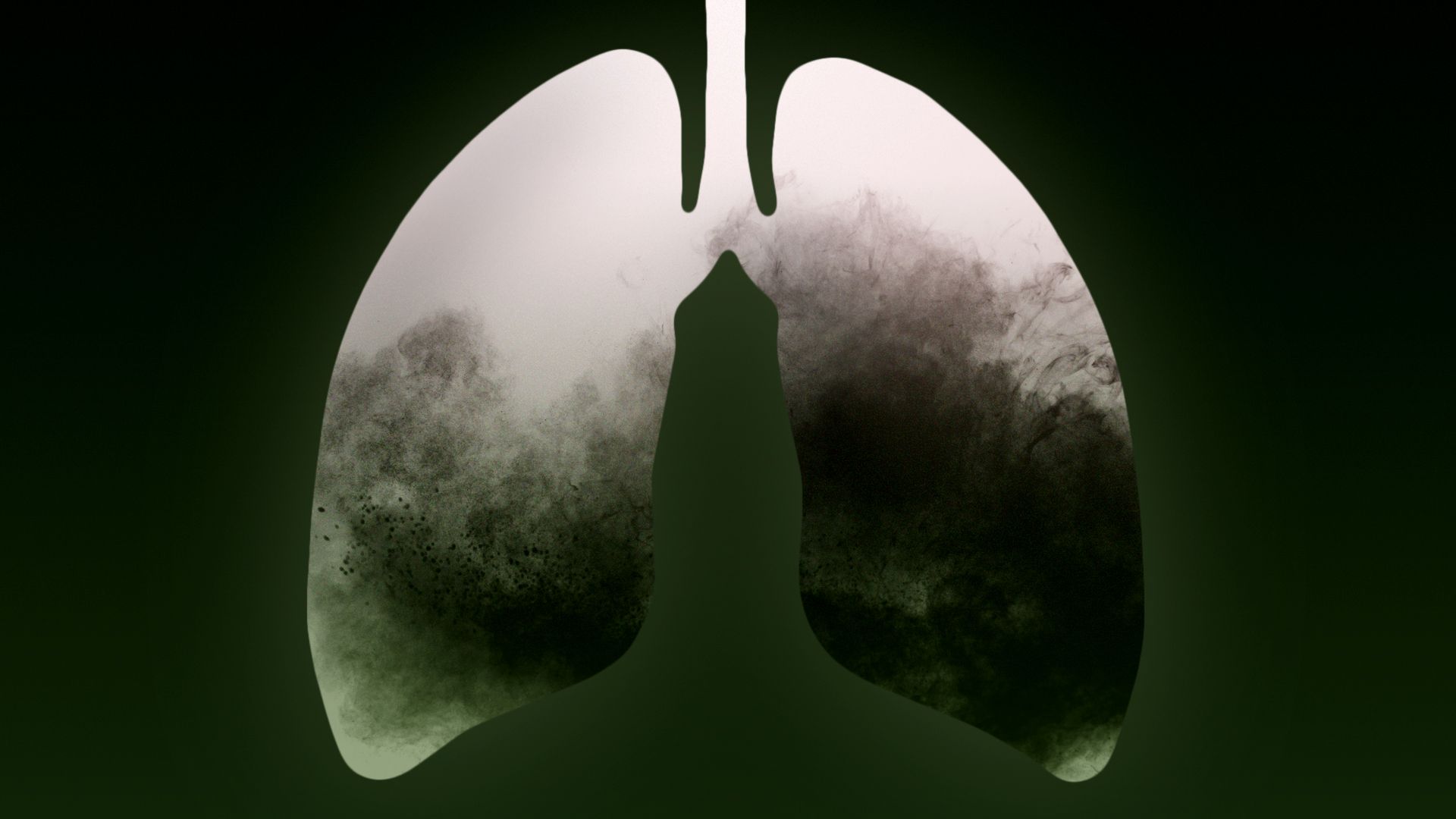
Illustration: Annelise Capossela/Axios
Colorado's summer air is a two-front health threat as wildfire smoke and ozone blanket the Front Range.
Why it matters: Poor air quality isn't just ugly or annoying. It can trigger coughing, wheezing and burning eyes — especially for kids, seniors and people with asthma, COPD, heart disease or other underlying health problems.
Threat level: Colorado wildfires have burned more than 200,000 acres this year, fouling our Rocky Mountain views and sending smoke across the state.
- Ozone alerts have become a regular occurrence across the metro area this month.
How it works: Ground-level ozone forms when sunlight reacts with pollution from vehicles, industry and other sources. Hot, stagnant weather allows it to accumulate and makes air unhealthy.
What they're saying: Ned Calonge, chief medical officer for the Colorado Department of Public Health and Environment, says people don't necessarily need to stay indoors.
- "You don't have to stop exercising," or going outside, he says, "But think about when you're going [out] and where."
For the most localized air-quality readings, use the EPA's AirNow app.
- Calonge also recommends the state's air quality summary and Smoke Blog.
On high-ozone days, move your runs, bike rides, dog walks and yardwork to the early morning or evening — when temperatures are lower.
- People with asthma may feel the effects sooner.
Smoky days are more obvious.
- Calonge says to cut time outside or wear a well-fitting N95 mask, which can reduce exposure to particulates in wildfire smoke.
- Caveat: N95s don't eliminate all exposure.
Be smart: Close windows and set air conditioners to recirculate so they don't pull polluted air inside.
- And avoid using swamp coolers on smoky days.
Outdoor workers should wear N95s when smoke is heavy and take regular, indoor clean-air breaks on bad-air days.
- Even 15 minutes inside can help.
The bottom line: You can't control the air outside, but a little planning can minimize your exposure when it's at its worst.