Axios Live: Virginia looks to schools amid weak funding to sustain biotech growth

Add Axios as your preferred source to
see more of our stories on Google.
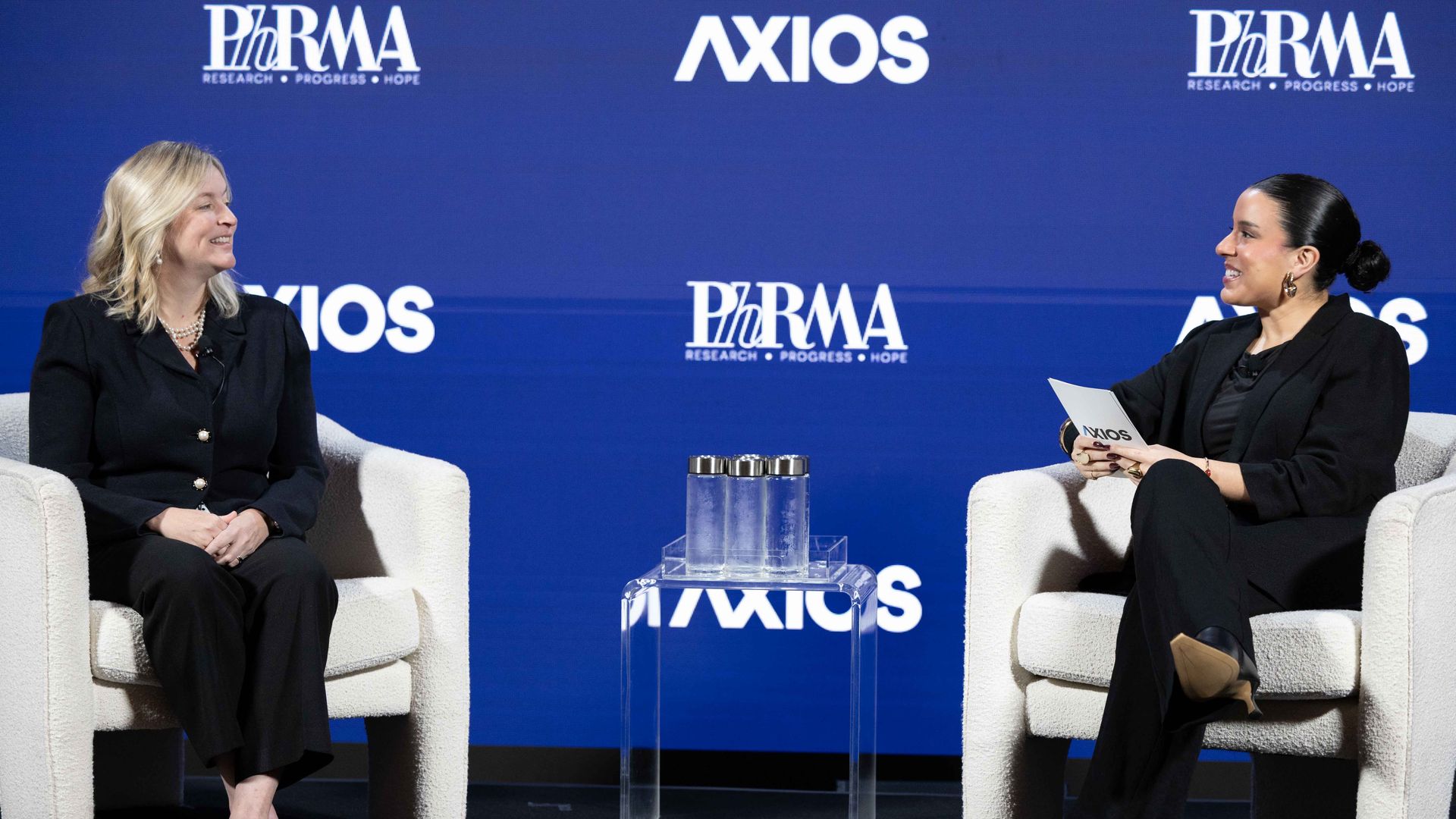
Virginia Economic Development Partnership’s Megan Healy (left) with Axios’ Sabrina Moreno on stage at an Oct. 29 Axios event. Photo: Jen Danson for Axios
RICHMOND — Virginia's biotech growth is drawing schools, industry groups and local governments into a statewide effort to boost the industry's place in the region's economy, state and business leaders said at an Axios event.
Why it matters: Education and workforce development efforts are investing in the biopharma talent pipeline earlier, even at the elementary school level, with the potential to connect more Virginians with jobs in the growing sector.
Axios' Sabrina Moreno and Brock Turner spoke to Virginia deputy secretary for commerce and trade Kristen Dahlman, Virginia Economic Development Partnership chief of talent and workforce strategy Megan Healy, Virginia Bio CEO John Newby and Goochland County administrator Jeremy Raley. The Oct. 29 event was sponsored by PhRMA.
What they're saying: Newby identified funding as a weakness for the region, compared to other biotech hubs like San Francisco and Boston. "So we're strong in all categories. The one category that Virginia in this region is weakest in, vis-à-vis the rest of the country, is funding," Newby said.
- Virginia Bio, the nonprofit life sciences trade group, is looking to address the funding gap by adding more investors to its board and attending national investment conferences.
The intrigue: Raley discussed how workforce and education investments are attracting biotech manufacturing in his community. He said Goochland County wants to build a career and technical education facility on a local high school campus and potentially target even earlier: in the K-12 pipeline.
- "[U]ltimately, students in kindergarten and first grade can get excited about careers in the pharmaceutical and advanced manufacturing industries, and ultimately create the skills that build upon themselves, so by the time they leave high school, they have a backpack of skills that they can use and apply to any sort of advanced manufacturing job," Raley said.
- Healy talked about efforts to prepare the region early to streamline the talent pipeline required for greater biotech investment. "We're investing in our community colleges to make sure our faculty understand manufacturing and we're producing the curriculum that our industry partners need."
Zoom out: Understanding AI's impact on Virginia's workforce is also a priority for expanding diverse industry investments, Dahlman said. "The hope is to really train and retrain and develop a talent pipeline that comes from the Commonwealth."
Content from the sponsor's segment:
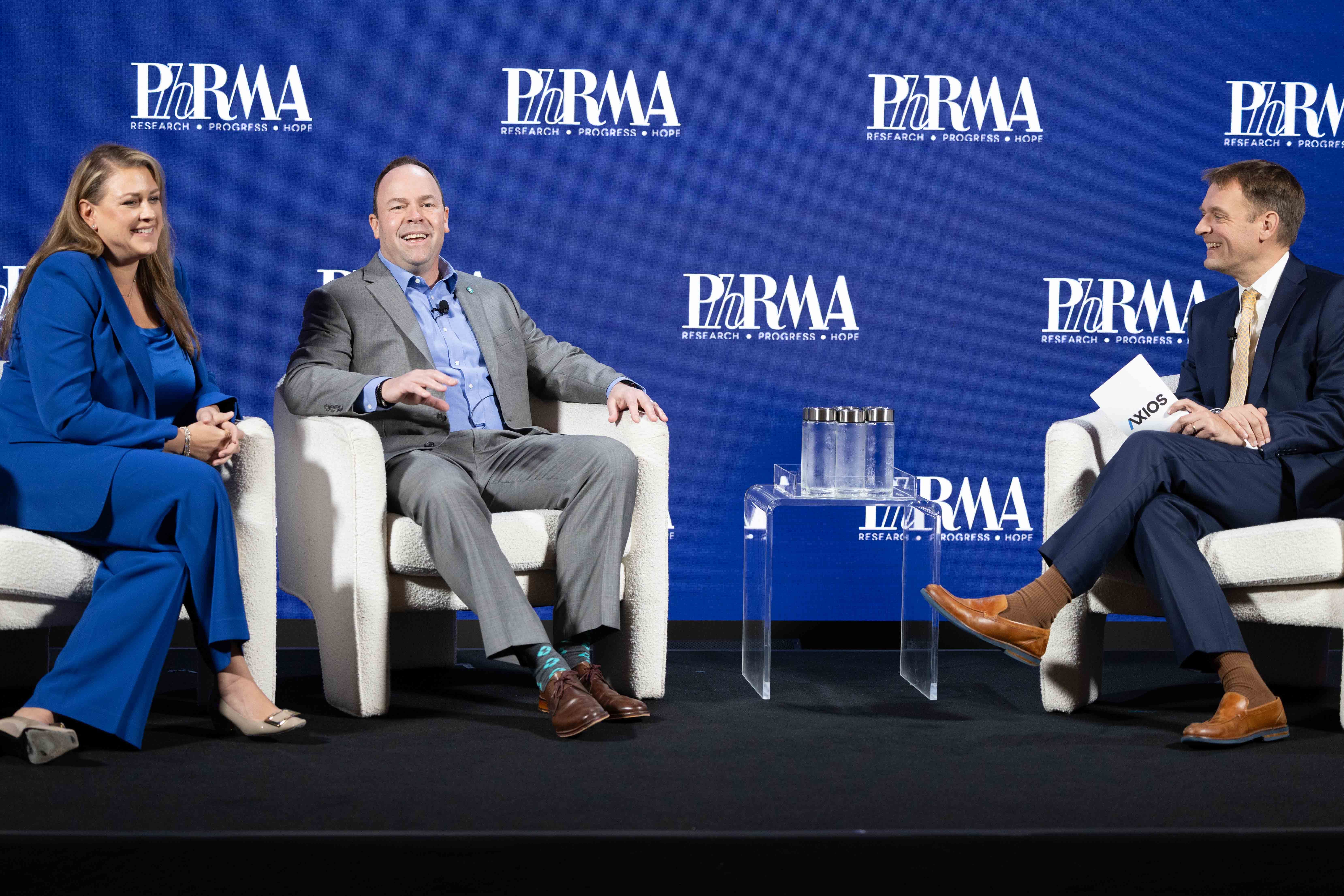
In a View From the Top conversation, James P. Wheeler, associate vice president for Manufacturing Network Strategy at Merck, explained why Virginia is an advantageous biotech hub.
- "It's a great place to do business. It's a strong area of top talent, has strong infrastructure and utilities to support our investment and our continued growth," Wheeler said.
Elizabeth Carpenter, PhRMA executive vice president of policy and research, said Virginia's policy and regulatory landscape is a model for others in keeping America's global biotech advantage.
- "I think Virginia has been a really good example of what happens when you create a stable policy and regulatory environment," Carpenter said.
Go deeper: Watch the full event.
