Axios Live: How health care providers can reach patients in an era of mistrust

Add Axios as your preferred source to
see more of our stories on Google.
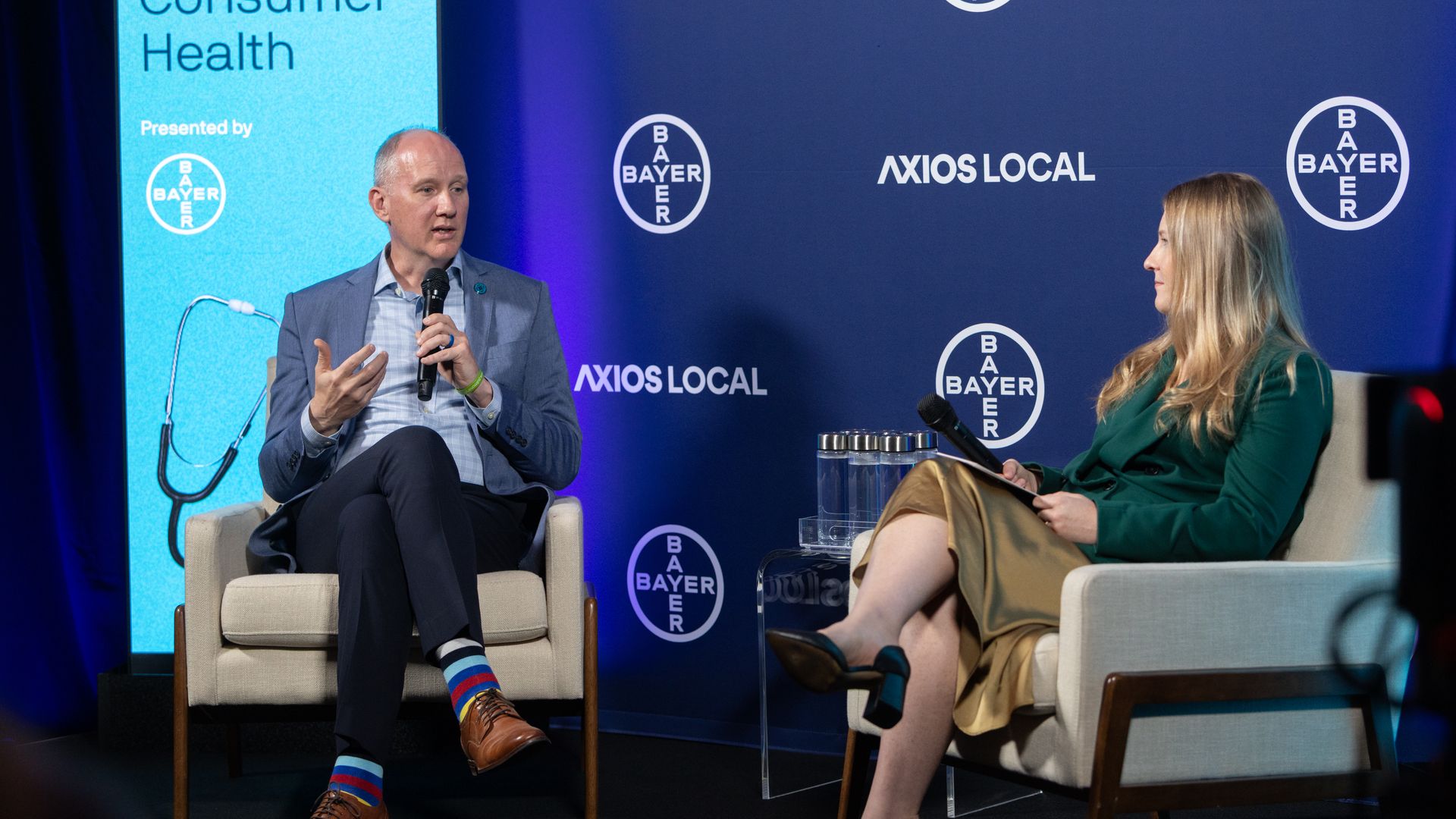
Community Clinic president and CEO Judd Semingson with Axios' Caitlin Owens. Photo: Keith Branch for Axios
BENTONVILLE, Ark. — Getting past the "noise" of online sources, giving accessible medical information and encouraging questions will help earn patients' loyalty, local health leaders said at an Axios event.
Why it matters: Trust in the health care system is wavering as patients increasingly turn to the internet, from AI chatbots to social media, for health information.
Axios' Alex Golden and Caitlin Owens spoke with UAMS Institute for Community Health Innovation director Pearl McElfish and Community Clinic president and CEO Judd Semingson. The Oct. 7 event was sponsored by Bayer.
What they're saying: "I'm looking for technology to enhance the science of medicine so that I can lean into the art of medicine," Semingson said about AI's potential to support patient care.
- Providers are seeing more patients getting information from online sources, he said, creating a need to help them make sense of multiple information streams. "As we look at patients entering into our doors, how do we help them translate through some of that noise?"
- McElfish emphasized making medical information more accessible and addressing patients' questions without being dismissive. "I think one of the biggest things we get wrong, and why that mistrust is there, is that we are not willing to give information in a more accessible way."
What's next: McElfish said incorporating wearable technology and telehealth into patient care could improve long-term disease management and prevention. However, she added, ensuring widespread access to the technologies are still in progress.
- "I think it's a challenge we're up to," she said.
Content from the sponsor's segment:
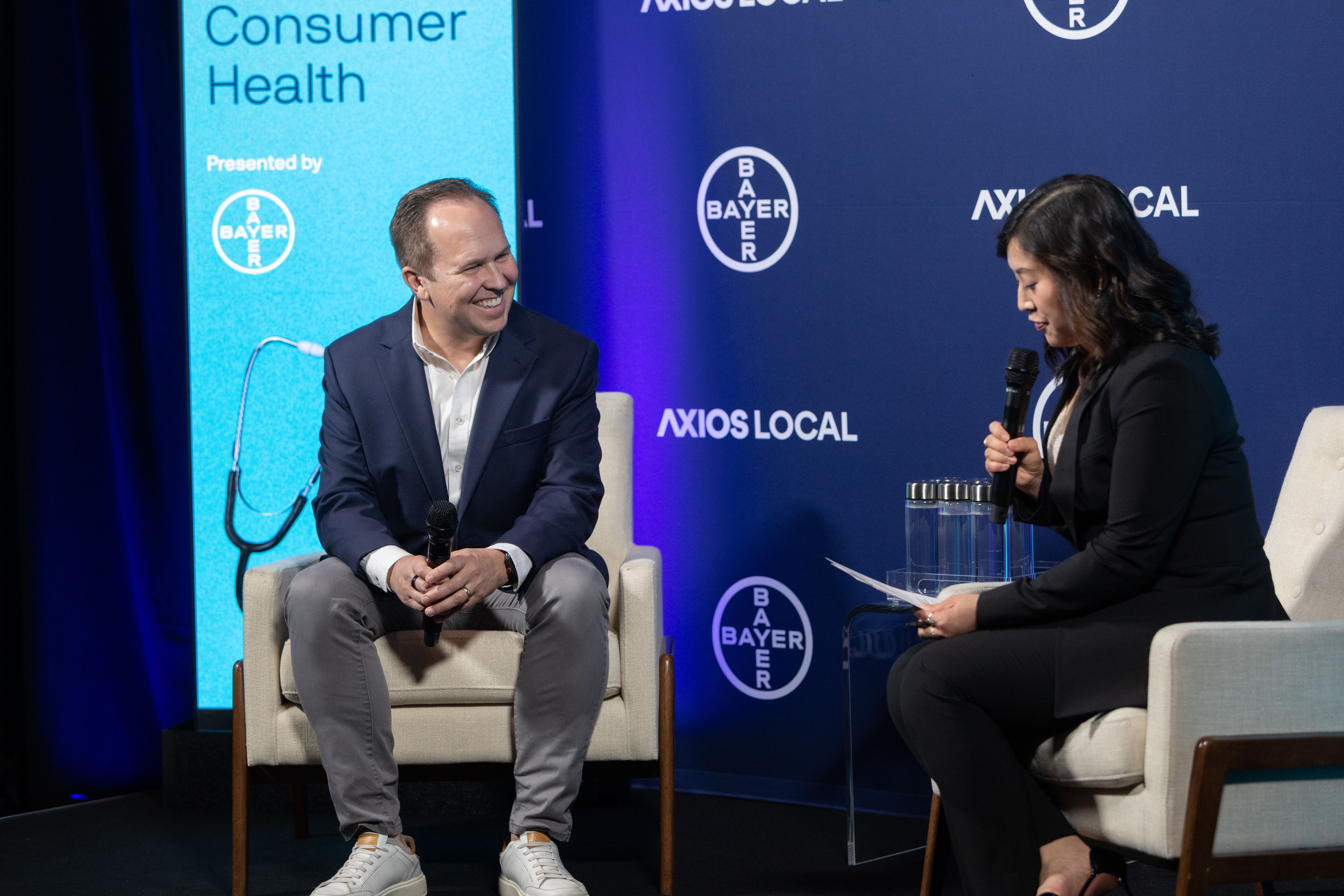
In a View From the Top conversation, Bayer U.S. president of consumer health Trevor Thrun said online misinformation can undermine consumers' trust in everyday health products.
- "It's really dangerous when we're starting to see some misinformation or pseudoscience out there that really causes a distrust in the products that are out there," Thrun said.
