Scientists discover hairy-legged, red-eyed "nightmare fuel" sea spiders

Add Axios as your preferred source to
see more of our stories on Google.
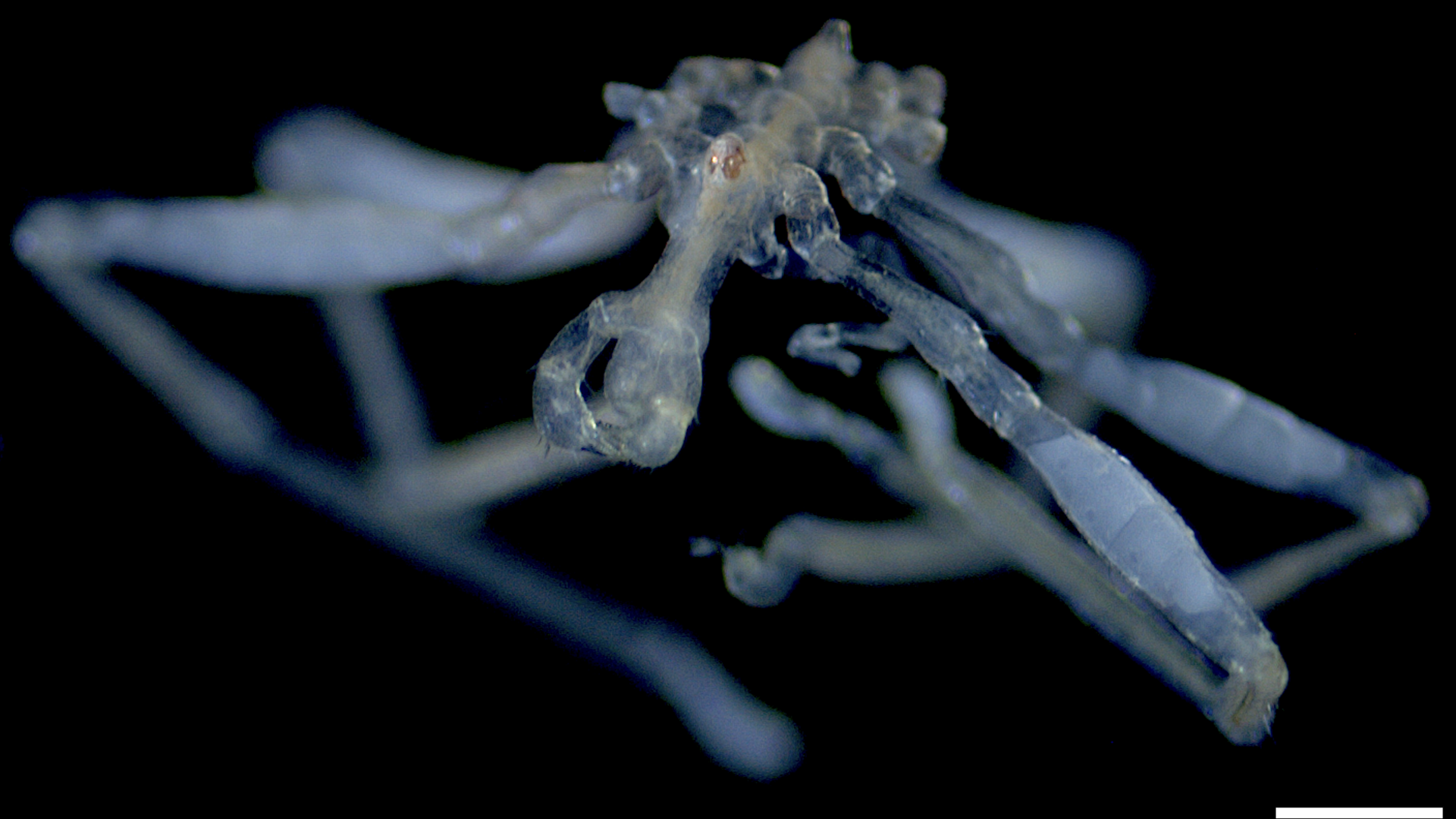
A photo of the Callipallene pilosuspedes. Photo: Cormac Toler-Scott
University of British Columbia researchers discovered two new species of sea spiders that have been deemed "nightmare fuel."
Why it matters: Scientists are trying to understand how climate change and other disturbances are affecting marine life, but researchers say they first need a better picture of what species are actually out there.
Driving the news: Researchers described in Organisms Diversity & Evolution two hairy-legged, red-eyed sea spiders collected in the Salish Sea between September 2023 and August 2024.
- Sea spiders use a proboscis to suck fluids from prey and hosts including jellyfish and hydroids.
- "Don't worry, it's probably just the stuff of nightmares," the researchers said in a release.
Context: These are the first two new sea spider species discovered in the Salish Sea in nearly 100 years.
Callipallene pilosuspedes — a nod to the Latin word for "hairy feet" — has red eyes and claws for grabbing food.
- It also has "a triangular, three-lipped mouth covered in sensory tendrils – a tiny marine Sarlacc pit, if you will," per a press release.
- Researchers said they only found one specimen of the hairy-legged creature.
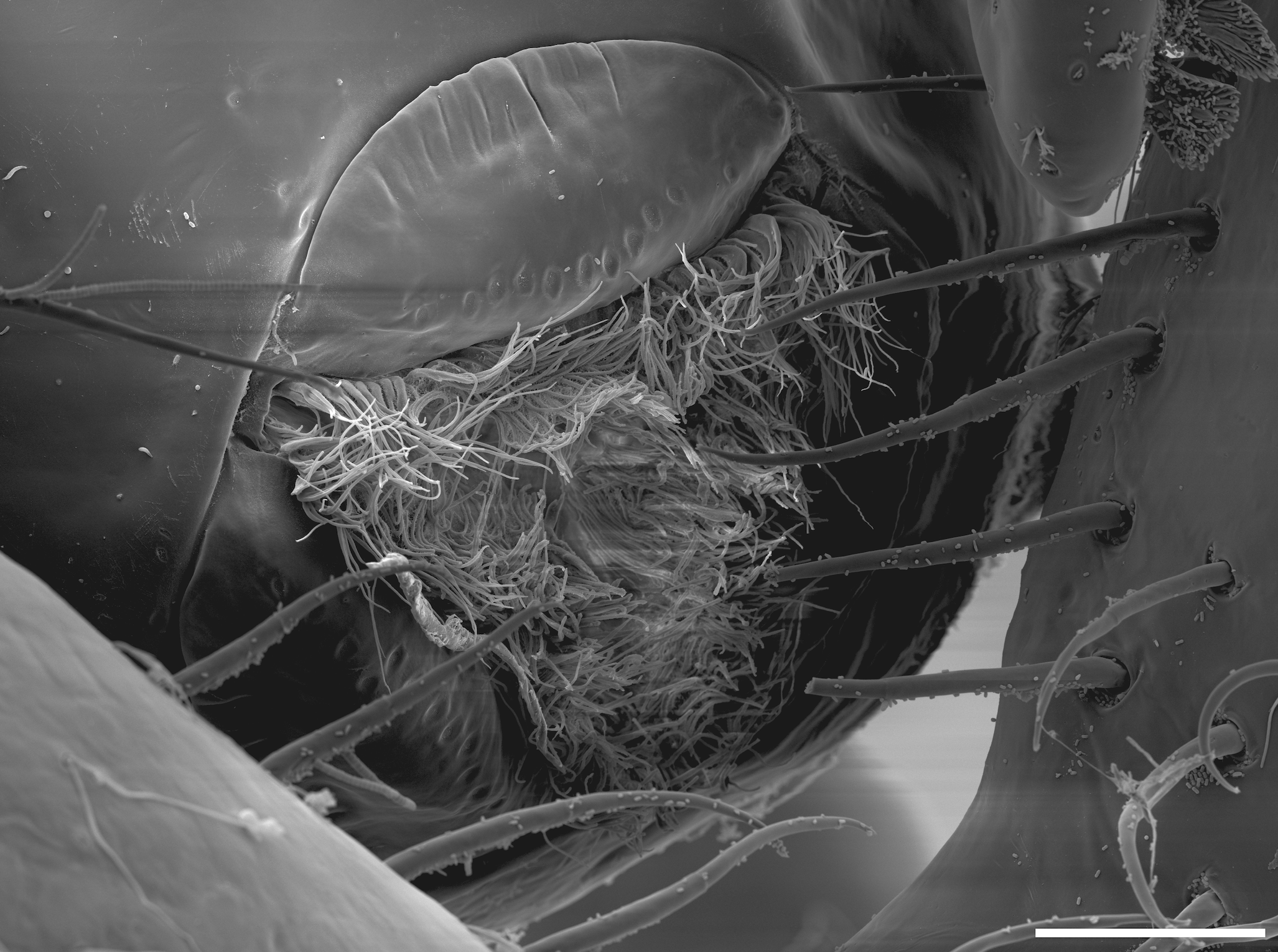
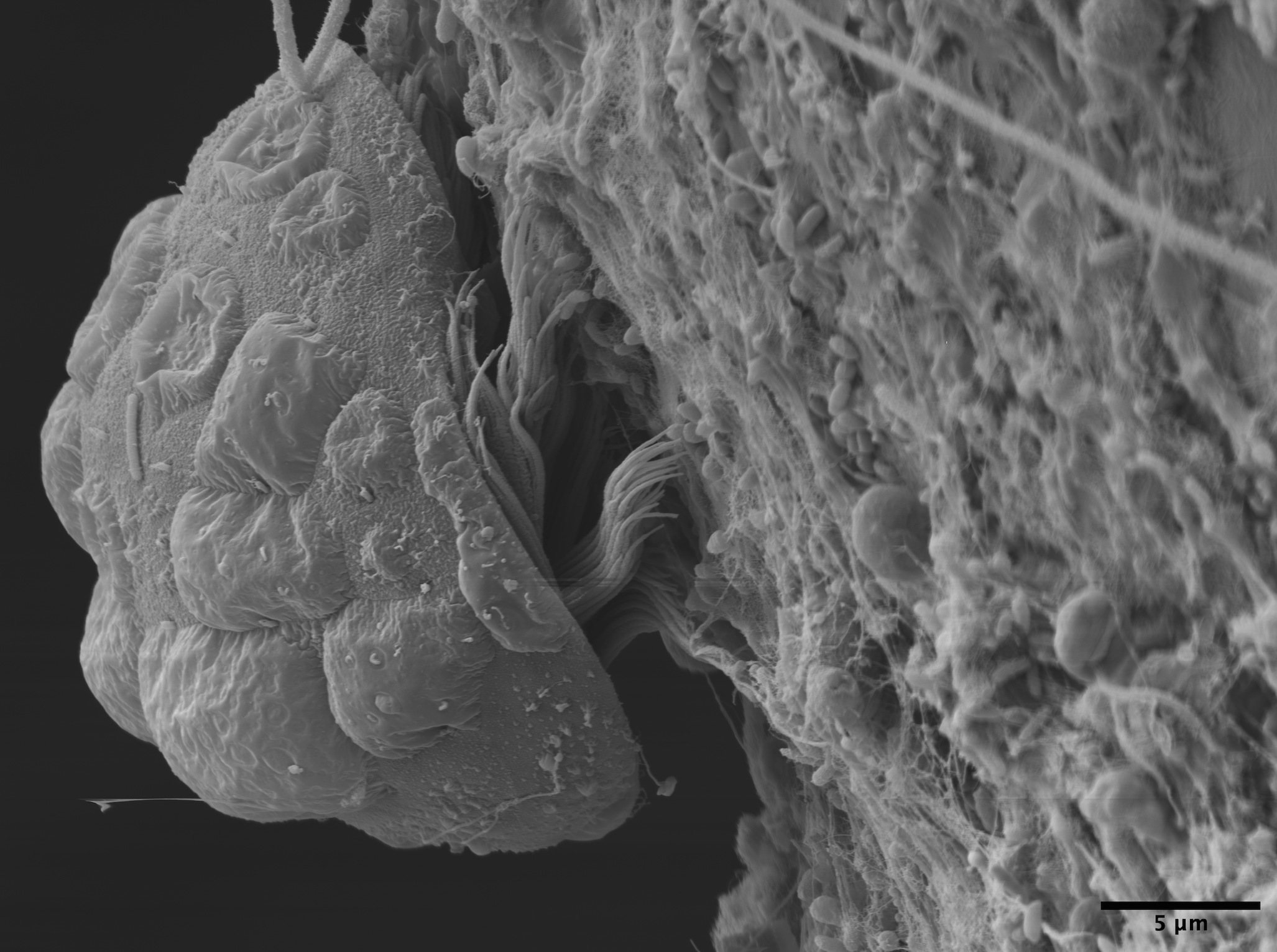
Tanystylum kiixin, named after the ancient Indigenous village site near where specimens were first collected, has "egg-carrying limbs" and was frequently found "covered with tiny parasites of its own."
- This creates "an ecosystem within an ecosystem within an ecosystem," says lead author Cormac Toler-Scott.
What's next: Researchers expect there are more species waiting to be documented.
- "So, never fear; more nightmare fuel awaits," the release says.
Go deeper: AI can help save fish, Nature Conservancy CEO says
