Axios Future of Health Summit: Maternal mortality solutions within reach, experts say

Add Axios as your preferred source to
see more of our stories on Google.
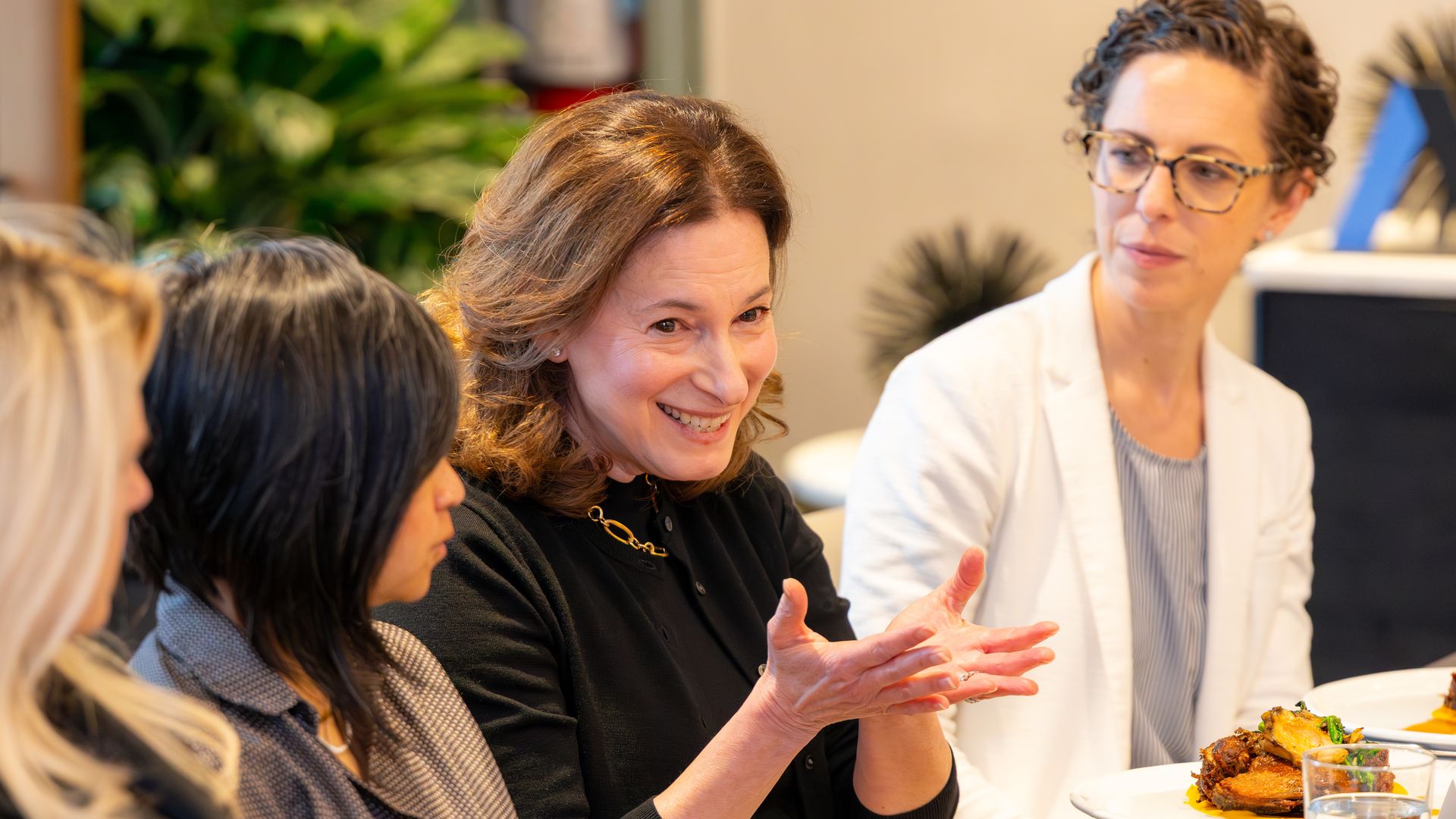
Photographer Lord Made and Mikael Selassi for Axios
WASHINGTON — High maternal mortality in the U.S. is preventable, according to advocates, physicians, policy leaders and executives at an Axios Future of Health event on May 13.
Why it matters: The United States has the highest maternal mortality rate among wealthy countries, despite most pregnancy-related deaths being preventable.
Axios' Maya Goldman and Caitlin Owens moderated the Expert Voices roundtable, which was sponsored by Heartland Forward.
By the numbers: 649 women died of maternal causes in the U.S. in 2024, according to the Centers for Disease Control and Prevention. Most of these deaths are considered avoidable and the actual numbers may be undercounted.
- One-third of U.S. counties lack hospitals, obstetricians or birth centers, said Stephanie Ogorzalek, Planned Parenthood Federation of America vice president of research and policy.
- Black women are up to three times more likely to die from pregnancy-related causes, she added.
Case in point: 4Kira4Moms founder Charles Johnson's wife, Kira, died due to preventable internal bleeding shortly after she delivered their son via C-section in 2016.
- "One of the things we're focused on is developing programs, tools, and giving fathers everything they need to show up as that rightful advocate and support person," he said.
What they're saying: "It's actually not rocket science," Centene chief health officer Alice Chen said. "We don't need a lot more studies."
- What families need are doulas, midwives and continuous postpartum Medicaid eligibility, she added.
- Paid leave and eradicating maternal mortality are "inextricably linked," Bobbie director of impact and policy Michele Lampach said.
- "Giving everyone remote blood pressure monitors is incredibly effective," said Ivirma Global chief transformation officer Elena Mendez-Escobar.
Stunning stat: Preeclampsia, the condition of dangerously high blood pressure associated with pregnancy, accounts for "11%–14% of maternal mortality globally and is the second most frequent direct obstetrical cause of death," according to a 2025 study.
State of play: White House officials hope to build on a four-year pilot program involving over 200 hospitals that found a "41.5% reduction in maternal mortality," Health and Human Services chief counselor Chris Klomp said.
- "We had funds. We've done it. We want to do more of it, because that's an extraordinary result."
What's next: Advocates need to craft and spread a compelling narrative, BirthFund founder Elaine Welteroth said.
- "We don't want to just keep telling Black women or other women that you're going to die in birth," she said. There is "a solution and a pathway to safer, beautiful, joyful, sacred birth."
- "Data informs people, but people move people," Johnson said.
Content from the sponsor's remarks:
Olivia Walton, founder of the maternal and child health center for policy and practice at Heartland Forward, and founder and CEO at Ingeborg, said that her bipartisan "Healthy Moms, Healthy Babies America" initiative is part of a five-year sprint to cut the U.S. maternal mortality rate in half.
- "The stakes are too high and the solutions are too clear not to get arm-in-arm and work on this together," she said.
- "We know what works. We know the time is now," Heartland Forward president Angie Cooper added.
