"Drill, baby, drill" takes a back seat in Trumpworld policy

Add Axios as your preferred source to
see more of our stories on Google.
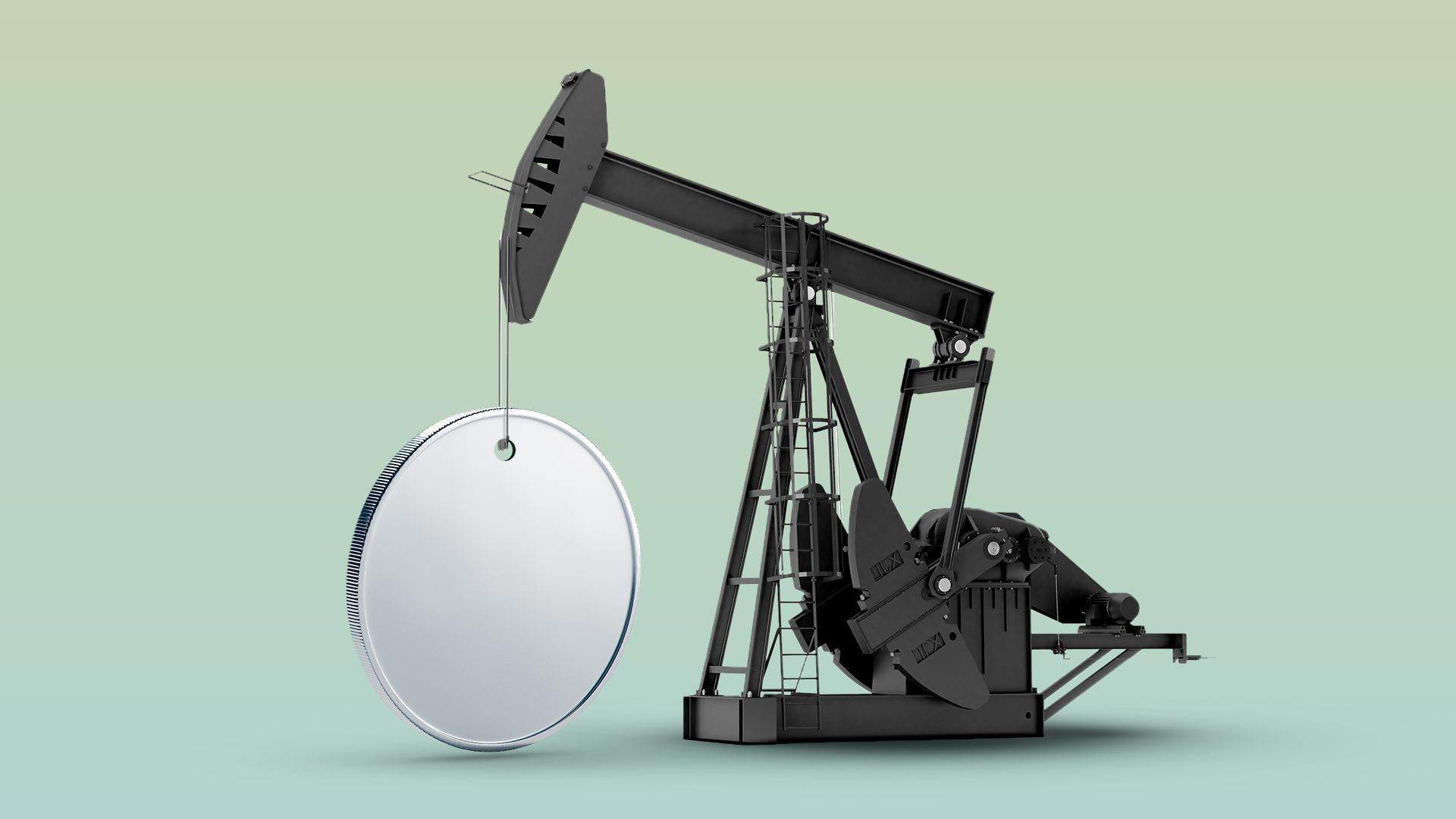
Illustration: Natalie Peeples/Axios
There's fresh evidence that President Trump and his lieutenants are willing to sacrifice "drill, baby, drill" in the U.S. for low prices and other policy priorities.
Why it matters: Modest prices and a revival of trade friction won't help bring a new surge in domestic production.
The big picture: A growing number of recent decisions point to a push to keep energy prices low at the expense of producers.
- "100% of Americans consume oil and natural gas every day of their life, and 1% of Americans produce oil and gas, so high prices are a win for 1% ... but it's a net loss for the other 99%," Energy Secretary Chris Wright told an industry forum in Washington last week.
The intrigue: Trump's quest for Greenland now means higher tariffs against European trading partners.
- Trade battles put downward pressure on prices by slowing economic growth and hence demand.
- That's one reason producers despise tariffs. The other: higher costs for steel and other goods they need, which eats into profitability.
Catch up quick: Oil prices jumped last week on Trump's threats to hit Iran, then gave back some of the gains when he backed off.
- WTI, the U.S. benchmark, remains under $60 per barrel — too low to spark a drilling surge.
State of play: Trump, to be sure, does many things the industry wants.
- Producers are psyched about policies like expanded oil and gas leasing, including far more offshore auctions. But that's often more about setting the stage for long-term projects.
- They also support paring back Biden-era climate and pollution rules, though there's some angst about unintended consequences of going too far.
Yes, but: In the near-term, U.S. oil production faces domestic stagnation.
- The Energy Department's stats arm sees output staying flat this year and dipping in 2027, albeit from record levels.
Between the lines: I don't mean to oversimplify here. Even on just the upstream side of the sprawling sector, there's really no single "oil industry."
- Instead, there's a constellation of players whose opportunities vary based on where they operate, size, what they specialize in, risk tolerance, and so forth.
What we're watching: Venezuela.
- It's another wild card in an already oversupplied market, with the feasibility and timelines for output growth uncertain.
- Some analysts see potential for rather fast increases, even if returning Venezuela to the 3.5 million-plus barrels per day in the late 1990s would take many years and untold billions of dollars.
- White House officials call post-Maduro Venezuela a huge opportunity for U.S. producers and contractors.
The bottom line: Trump 2.0 is a split screen for oil producers.
