Exec at mining giant BHP discusses AI learning curve

Add Axios as your preferred source to
see more of our stories on Google.
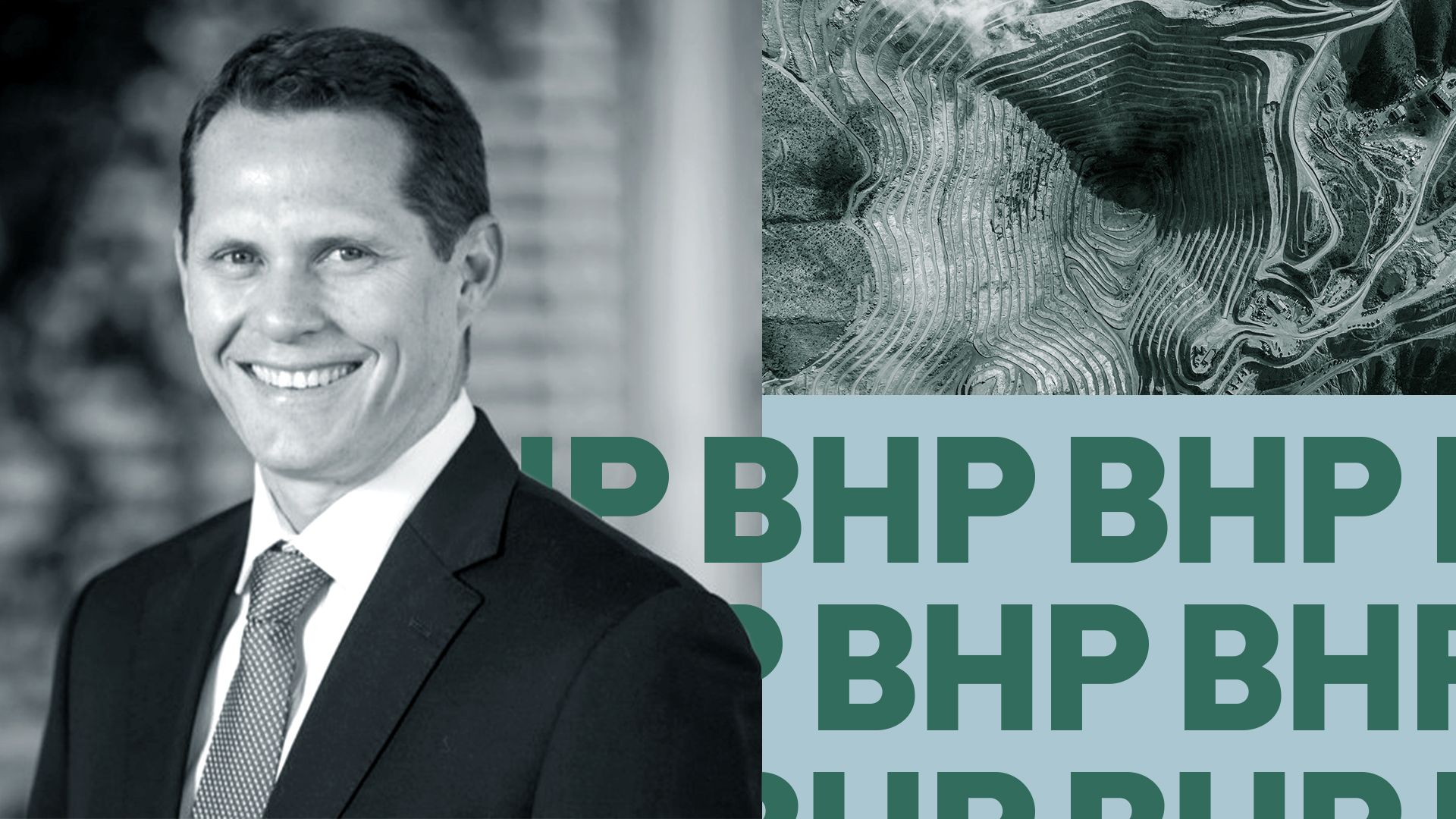
Photo illustration: Axios Visuals. Photo: Courtesy of BHP
BHP, operator of the world's largest copper mine, sees a bright future for AI improving the industry — but cautions that it's early days, a top executive tells Axios.
Why it matters: BHP Americas President Brandon Craig's comments show how the huge, capital-intensive sector hopes to harness AI amid rising demand for key commodities.
- Legacy miners and startups alike are getting in on the action.
The big picture: "We're still learning how to take full advantage of this," Craig said in an interview this week.
- "I think most companies can see the power of this but are trying to calibrate on, how are we really going to generate value?"
- BHP is among the world's largest miners, with operations spanning copper — including Chile's huge Escondida mine — as well as iron ore, metallurgical coal, potash and nickel.
State of play: Craig's optimistic about ways AI digests astonishing amounts of data — some of it quite old — to help with resource discoveries and optimization.
- "We've spent 140 years drilling, drilling ground, looking for minerals, and then we've had geologists that have to interpret these reams of data to try and decode from this data, is there something there or isn't there?" he said.
- "And when you have deposits 1,000 meters, 2,000 meters underground, that becomes very, very difficult. AI is a whole lot better at interpreting that data reliably."
The intrigue: The company is also wading into how AI can help make its work safer and more cost-effective, Craig said.
- One example he offered was the use of AI to help with early detection of mechanical problems — like preventing a tear in a mammoth conveyor belt that's nearly 10 miles long.
- "With AI and the ability to just take a simple camera feed and put intelligence behind it, we will be able to solve a whole lot of problems very cheaply that will really support productivity, safety and a range of other things," he said.
Zoom out: Craig is bullish on long-term copper demand. That's regardless of how the expansion of renewables and AI data centers — which both use the metal — plays out globally.
- He cited growth in traditional uses — cables, buildings, motors and more. "If you step back and just look at macros," he said, referring to macroeconomic trends, "copper tracks GDP, but copper also tracks urbanization."
- "Absent renewables, absent digitization and artificial intelligence, copper intensity per GDP would be lower than what it is today, but it's still a modest effect," he said. "In 2050, it will be more material."
What we're watching: The company's U.S. future as the Trump administration looks to boost U.S. mining and ease permitting.
- And nearer term, we're interested in the ongoing court battle over the huge proposed Resolution Copper mine in Arizona that Rio Tinto would operate with a 45% BHP stake.
Sign up here for Axios' Future of Energy newsletter.
