New cash for industrial decarbonization

Add Axios as your preferred source to
see more of our stories on Google.
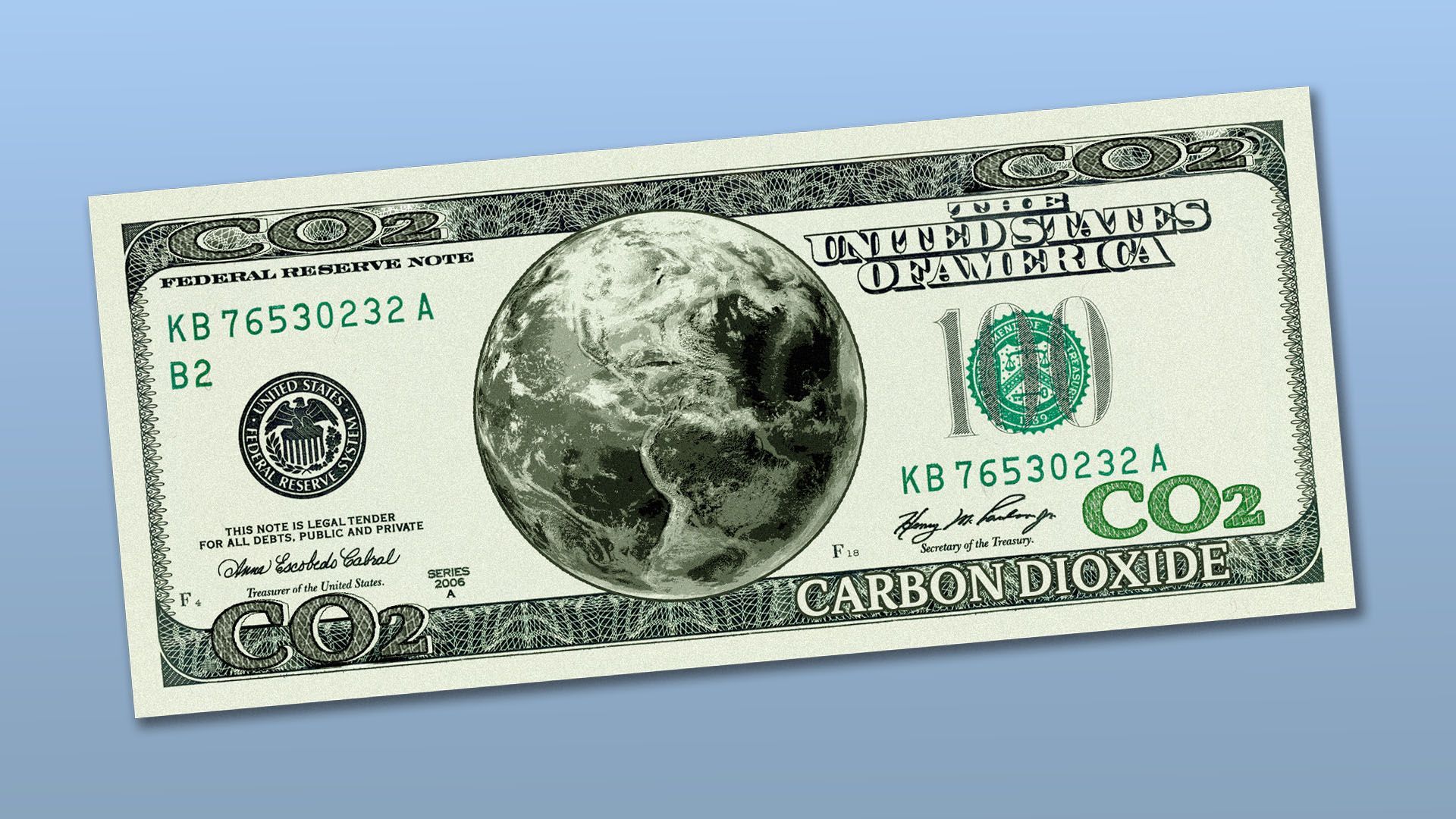
Illustration: Sarah Grillo/Axios
The Energy Department Thursday will award $135 million for 40 projects that help decarbonize heavy industries such as cement, metals and chemical production.
The big picture: While today's award isn't huge, it signals a wider recognition that heavy industry is a needed policy focus.
- Industrial activities are big CO2 sources — together over a quarter of the U.S. total — and often lack solutions at a cost-effective commercial scale.
Driving the news: Today's grants involve 36 different universities, National Laboratories and companies spread across 21 states, DOE said.
- The money covers a mix of R&D and pilot-scale demos to cut emissions and energy use.
- There's a wide mix of approaches, such as alternative process heat sources in chemicals manufacturing and alternative cement formulations.
What they're saying: "America’s industrial sector serves as the engine of the U.S. economy, producing many of the products we rely on every day, but also produces a significant amount of the nation’s carbon emissions," Energy Secretary Jennifer Granholm said in a statement, adding these projects will "accelerate next-generation technologies."
The big picture: It's part of a far bigger array of industrial decarbonization programs at DOE and other agencies, some enabled by the bipartisan infrastructure law and Democrats' climate law. Two examples include...
- The climate law has major subsidies for hydrogen, which has industrial applications.
- The State Department-led "First Movers Coalition" secures commitments from large polluters to purchase climate-friendly tech.
