Why Front Range ozone peaks on Colorado's perfect-weather days
A message from: Simple Steps. Better Air.
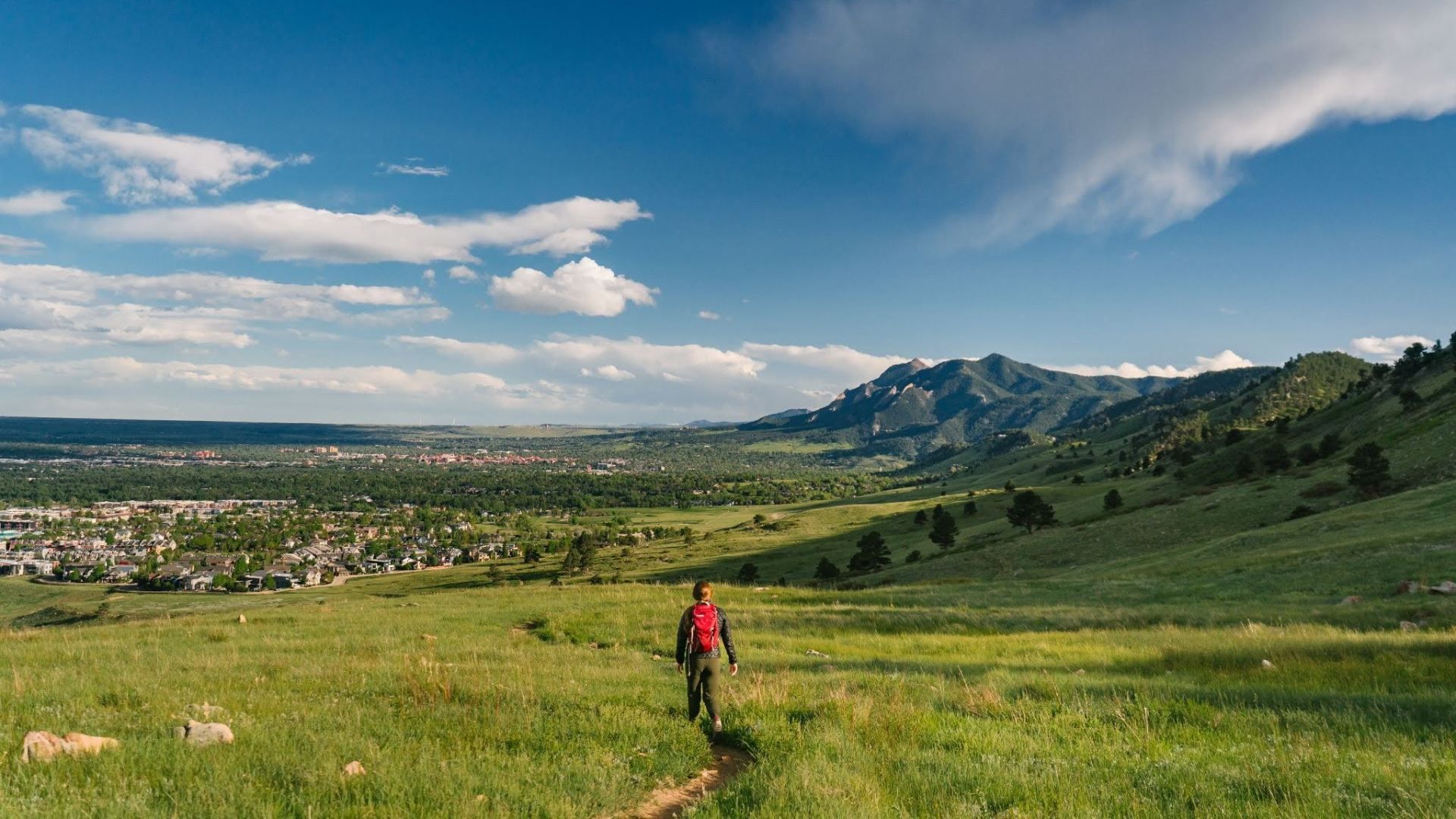
Colorado's best summer days follow a formula: blue skies, hot afternoons, low wind and packed pools and parks across the Front Range.
- But those same conditions also create the ideal environment for ground-level ozone to form.
Why it's important: Many residents move to Colorado expecting "mountain air," but the Front Range's geography can actually help trap pollution where people live, work and spend time outside.
That contributes to a summertime ozone problem that regularly pushes the region above federal air quality standards.
Here's how: Ground-level ozone forms when emissions from gas-powered vehicles and lawn equipment, and industrial sources react with heat and sunlight.
- High up in the atmosphere, ozone protects Earth from ultraviolet radiation.
- But at ground level, it can irritate our lungs, worsen asthma symptoms and increase stress on the respiratory and cardiovascular systems.
The impact: Ozone buildup often peaks during the exact hours Coloradans want to be most active outdoors, especially on hot summer afternoons along the Front Range.
Children, outdoor workers, older adults and people with respiratory conditions face the greatest risks — particularly between noon and 8pm, when ozone levels tend to rise.
- Days with elevated ozone are also linked to increased emergency room visits for children, especially those with asthma.
Still, many Front Range residents may not realize how ozone builds in tandem with their everyday summer routines as temperatures climb throughout the afternoon.
Here's the deal: Ground-level ozone forms from the combined emissions created across the region during hot summer days: industrial activity, commuters, lawn crews working through the afternoon, cars idling in pickup lines and weekend traffic heading west toward the mountains.
- Those emissions contribute most heavily to ozone buildup during the sunniest afternoon hours.
Okay, but: Small shifts — like delaying errands, filling up your gas tank after 5pm or mowing with gas equipment later in the evening — can help reduce emissions during peak buildup hours.
These changes are central to the message of Simple Steps. Better Air., a public awareness program from the Regional Air Quality Council (RAQC), the lead air quality planning organization for Colorado's Front Range.
- It focuses on helping residents understand when ozone forms, its health impacts and how minor changes can help reduce this summertime pollution and residents' exposure to it.
The positive news: There are many local and statewide incentives designed to help residents reduce emissions more easily, including:
- A statewide 30% discount on electric lawn tools through the end of 2026.
- State tax benefits for Coloradans who upgrade from a high-emission vehicle to an electric vehicle, plug-in hybrid or a higher-MPG vehicle.
- $225 off a qualified e-bike purchase at participating retailers.
- Car- and vanpool programs to save on gas and parking for recreational outings or shared commutes.
The takeaway: When residents shift when and how they drive, mow, idle or run errands during ozone season, their choices can help reduce pollution buildup during the days it's most likely to reach unhealthy levels.
Between late May and mid-September, the RAQC and Colorado Department of Public Health and Environment issue Ozone Action Day alerts when conditions are likely to produce higher ozone levels.
- These alerts help residents know when it matters most to adjust outdoor activity and reduce emissions, as well as protect their health.
Sign up for ozone alerts and learn more about reducing ozone along the Front Range this summer.