How a Des Moines professor helped de-extinct the dire wolf

Add Axios as your preferred source to
see more of our stories on Google.
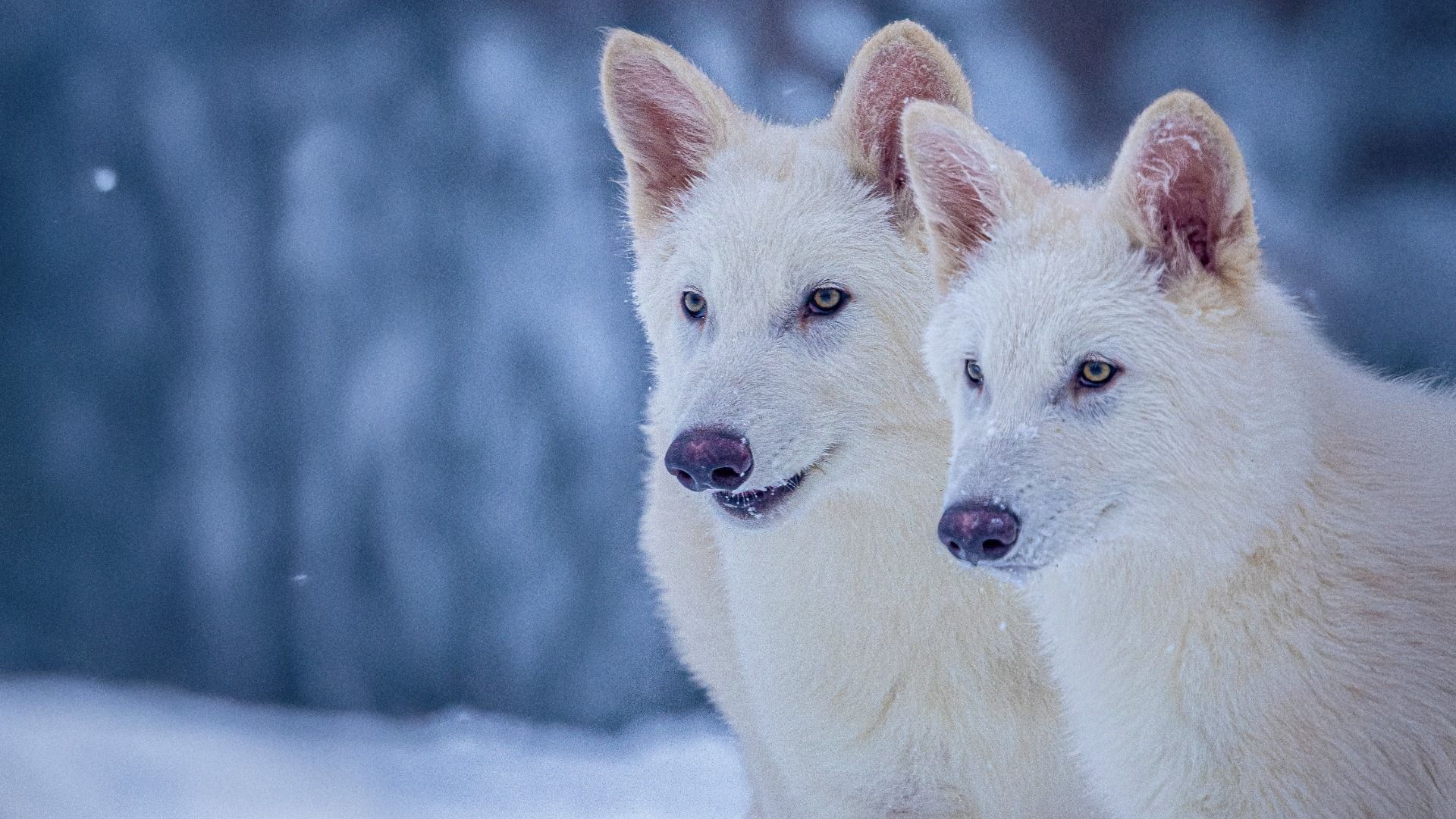
Colossal's dire wolves Romulus and Remus at age three months. Photo: Courtesy of Colossal Biosciences
A professor of anatomy at Des Moines University contributed research to revive the extinct dire wolf — or something similar to a dire wolf, given that she is among scientists who question the animal's classification.
Why it matters: Julie Meachen's work uncovering ancient animal DNA may help save endangered species or even de-extinct others.
Driving the news: Texas company Colossal Biosciences announced this week that it had successfully edited genes of gray wolves with key features of dire wolves and implanted embryos in surrogate dog mothers.
- Three healthy animals with dire wolf characteristics — long, thick white fur and bodies as much as 25% bigger than gray wolves — were born in October and are being kept at an undisclosed U.S. location.
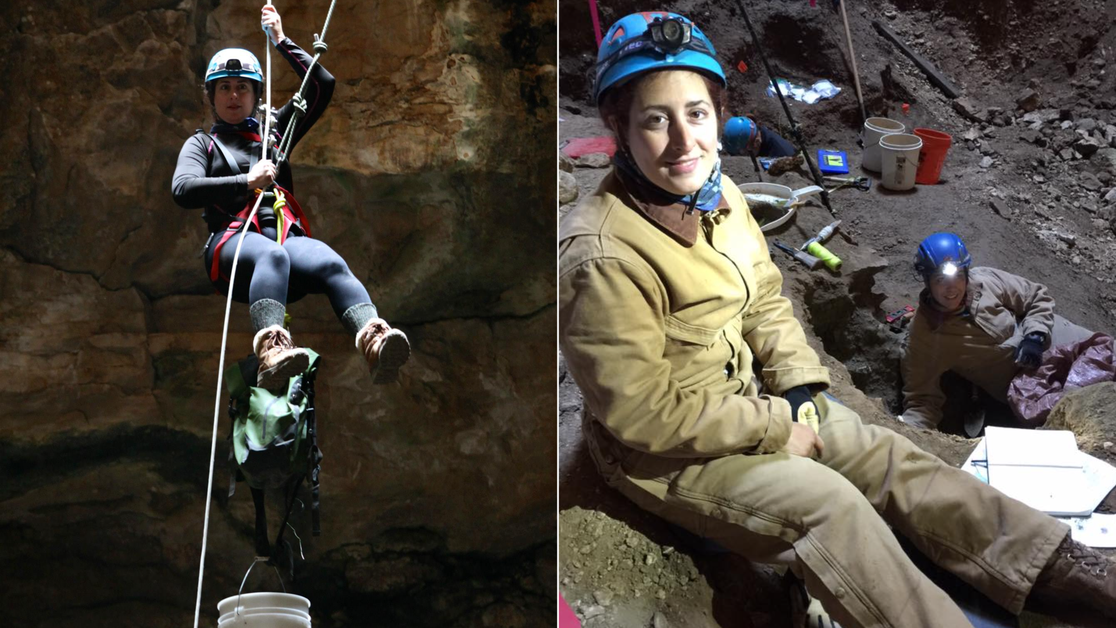
Catch up quick: Meachen is the lead investigator of a team of scientists exploring Natural Trap Cave in Wyoming, where Ice Age animal remains are being studied.
- She was among a team of scientists who authored a 2021 paper about the retrieval of DNA from fossils of dire wolves, which went extinct about 13,000 years ago.
Zoom in: Meachen was not involved in creating the wolf pups but provided DNA samples collected from animal remains in Idaho and Ohio to help fine-tune the de-extinction project.
- The dire wolf project would have been possible without her input but would not have been as accurate, she tells Axios.
The intrigue: Meachen says she doesn't believe the pups unveiled this week are dire wolves but, instead, are genetically modified gray wolves.
- "They are basically transgenic gray wolves with dire wolf DNA inside them," she said.
Yes, but: She said the technology is exciting and is already being used to boost genetic diversity in endangered species.
- "Even though the scientist in me is skeptical about creating extinct animals, the kid in me wants to see what they look like," Meachen said.
What's next: Meachen will lead another project at Natural Trap Cave this summer.
Colossal is working on a project that could de-extinct the woolly mammoth.